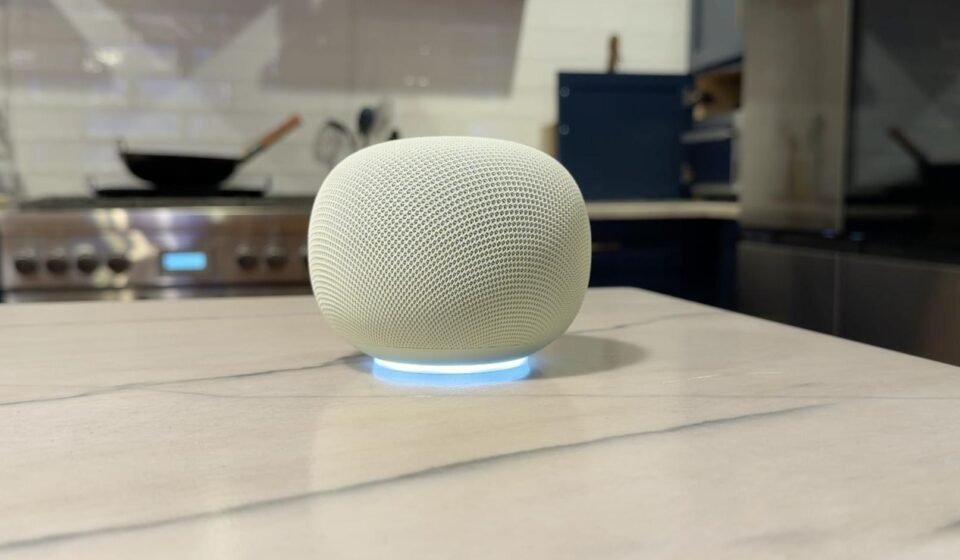

Google Home has introduced support for the Model Context Protocol (MCP), a move that allows third-party AI agents to interact with smart home devices and data. The integration, announced on September 16, 2026, is initially available to Google Home Premium Advanced subscribers in the United States. It marks a significant expansion of Google’s smart home strategy, positioning the company as an infrastructure layer for AI-driven home automation.
What the MCP Integration Enables

With MCP, supported AI agents can control and monitor smart home devices, act on behalf of the user, and analyze device state history. The protocol connects agents to both devices and event history, enabling capabilities such as cross-camera analysis and the creation of custom dashboards. Agents can also send voice messages through Google Home speakers, although the speakers themselves remain under the control of Gemini for Home, Google’s primary assistant interface.
MCP does not replace Gemini for Home. Instead, it adds an additional control layer, allowing third-party agents to operate through their own interfaces while Gemini continues to manage core assistant functions. This approach gives users more flexibility in how they interact with their smart homes, while keeping Google’s own assistant at the center of the experience.
Supported AI Agents

Several AI agents are compatible with the new integration, including Claude, Open Claw, Hermes, and Google Antigravity. Developers can use Google Antigravity to build custom agents tailored to specific smart home tasks. The availability of these agents means users can choose from a range of AI assistants, each with its own strengths and interaction styles.
Pricing and Availability

Access to Google Home MCP is limited to Google Home Premium Advanced subscribers in the US. The subscription costs $20 per month or $200 per year. Google says access will roll out in the coming weeks. This tiered approach suggests Google is targeting power users and early adopters who are willing to pay for advanced features.
Setup Requirements

Setting up MCP requires creating a Google Cloud project. This step indicates that the integration is aimed at users with some technical proficiency, or at least a willingness to navigate cloud configuration. Google enforces rate limits and safety protections to prevent abuse and ensure stable operation.
Security and Safety Measures

Google has implemented several safeguards. Agents cannot unlock doors, a restriction that addresses obvious security concerns. However, Taylor Lehman, group product manager for Google Home & Nest, noted that connecting an agent can result in unexpected or undesired behavior depending on the agent. He recommended that users review developer policies and terms of service before granting access.
These warnings highlight the inherent risks of giving third-party AI agents control over sensitive home systems. While Google’s rate limits and door-lock prohibition provide a baseline, the behavior of each agent may vary, and users are ultimately responsible for choosing trustworthy developers.
Relationship to Gemini for Home
Gemini for Home remains Google‘s primary assistant interface. Launched as a full-stack AI offering, it replaced the discontinued Google Assistant. MCP is designed to complement Gemini, not compete with it. Third-party agents interact through their own interfaces, while Gemini continues to manage Google Home speakers and core assistant tasks. This dual-layer approach allows Google to maintain control over the user experience while opening the door to external innovation.
Context: Home Assistant and Google's Infrastructure Strategy
The move follows a similar MCP integration by Home Assistant, an open-source smart home platform. Last year, the author tested Claude with Home Assistant’s MCP, demonstrating that the concept is not entirely new. Google’s decision to adopt MCP reflects a broader strategy to position itself as the infrastructure layer for smart homes, akin to how AWS provides cloud infrastructure. The company launched smart home API access in 2024, and the MCP integration extends that developer-focused approach.
Google’s B2B2C strategy aims to empower developers to build on its platform while reaching consumers through those developers. By providing tools like Google Antigravity, Google hopes to foster an ecosystem of custom agents that enhance the smart home experience. However, the company‘s history with smart home platforms—including Android @ Home, Weave, Project Brillo, and Works with Nest—has been marked by launches and discontinuations. This track record may lead some developers to question Google’s long-term commitment.
Developer Outlook and Adoption Questions
While the MCP integration opens new possibilities, it also raises questions about developer adoption. The requirement to set up a Google Cloud project and the subscription cost may limit uptake to enthusiasts and professionals. Additionally, the security and privacy implications of allowing third-party agents to access device data and control functions are significant. Google’s safety protections, such as rate limits and the door-lock restriction, address some concerns, but the variability of agent behavior means users must remain vigilant.
As AI headlines continue to dominate the tech landscape, Google’s move signals a growing convergence of AI and smart home technology. The integration of MCP into Google Home represents a step toward a more open and flexible ecosystem, but its success will depend on developer trust, user adoption, and Google’s ability to maintain security and reliability.