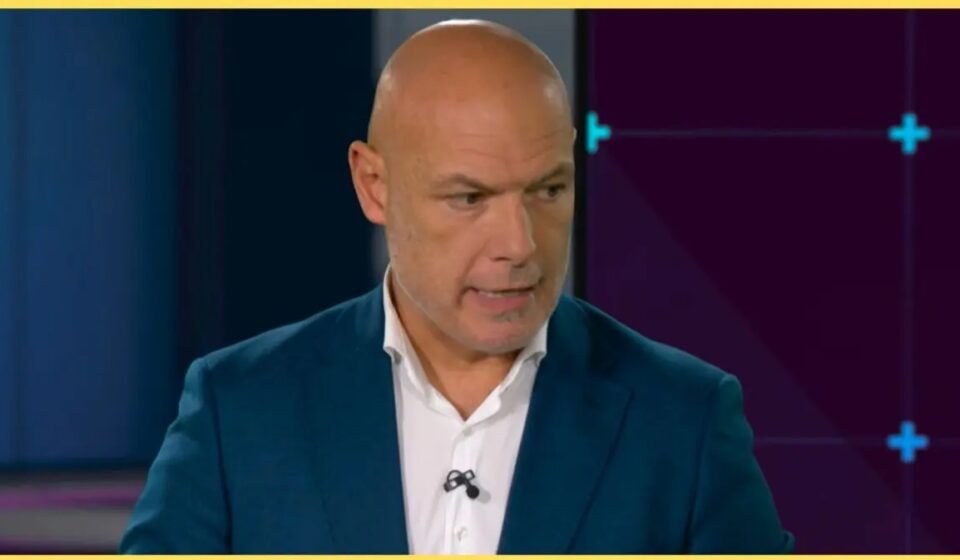

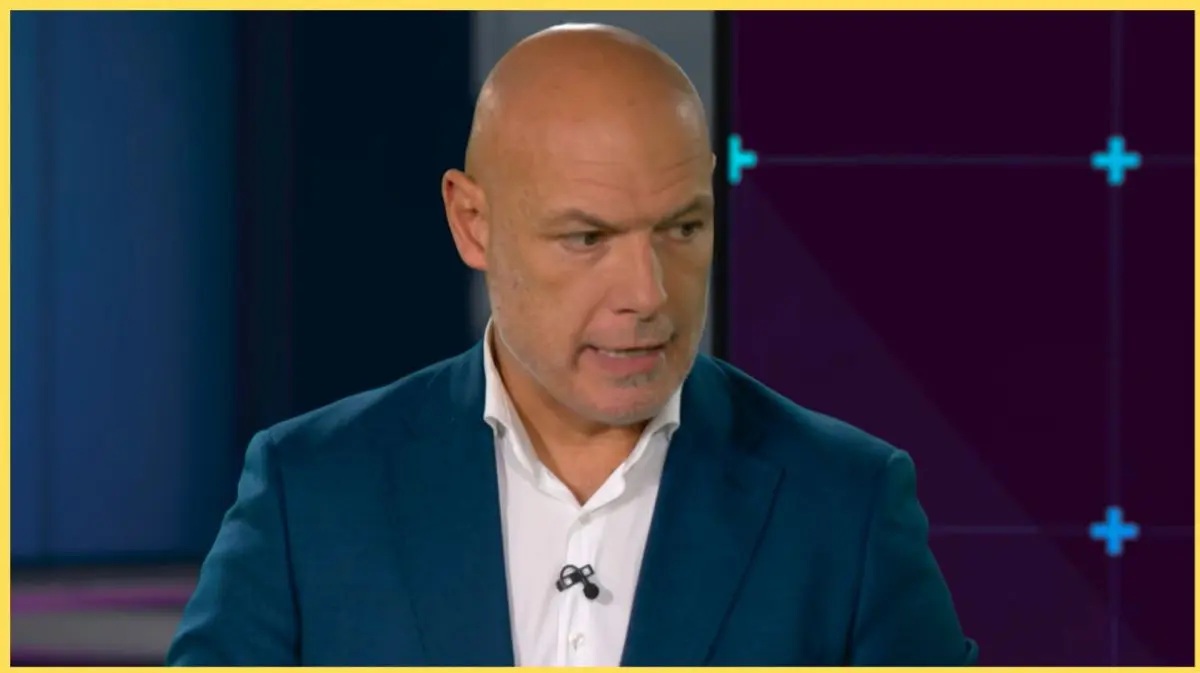
Howard Webb has thrown his weight behind the most debated penalty decision of the Premier League’s opening month — the stoppage-time spot-kick that allowed Liverpool to salvage a 2-2 draw at Newcastle. Speaking on the league’s Match Officials Mic’d Up programme, the chief executive of Pro Ref described the call as correct and praised the officiating team for staying sharp deep into added time.
Why the penalty stood
The incident centred on a challenge by Newcastle’s Lewis Hall on Liverpool’s Victor Munoz. With the clock past the 90th minute, Munoz had the ball at his feet and knocked it beyond Hall. The defender’s foot made contact with Munoz, bringing him down. On-field referee Stuart Attwell pointed to the spot. VAR James Bell, stationed at Stockley Park, reviewed the footage and confirmed the original decision.
The released audio captured Bell explaining his reasoning. He noted knee-on-knee contact and described how Munoz stepped into Hall’s leg. Crucially, Bell observed that Hall never played the ball. That detail — no touch on the ball combined with contact on the player — formed the basis for upholding the penalty.
Webb echoed that logic. He said the assistant referee had flagged that Hall failed to make contact with the ball, and he pointed to Hall’s foot as the source of the contact that felled Munoz. In Webb’s assessment, the officials showed focus in the final added minute and the team worked well together to reach the right outcome.
Newcastle's frustration
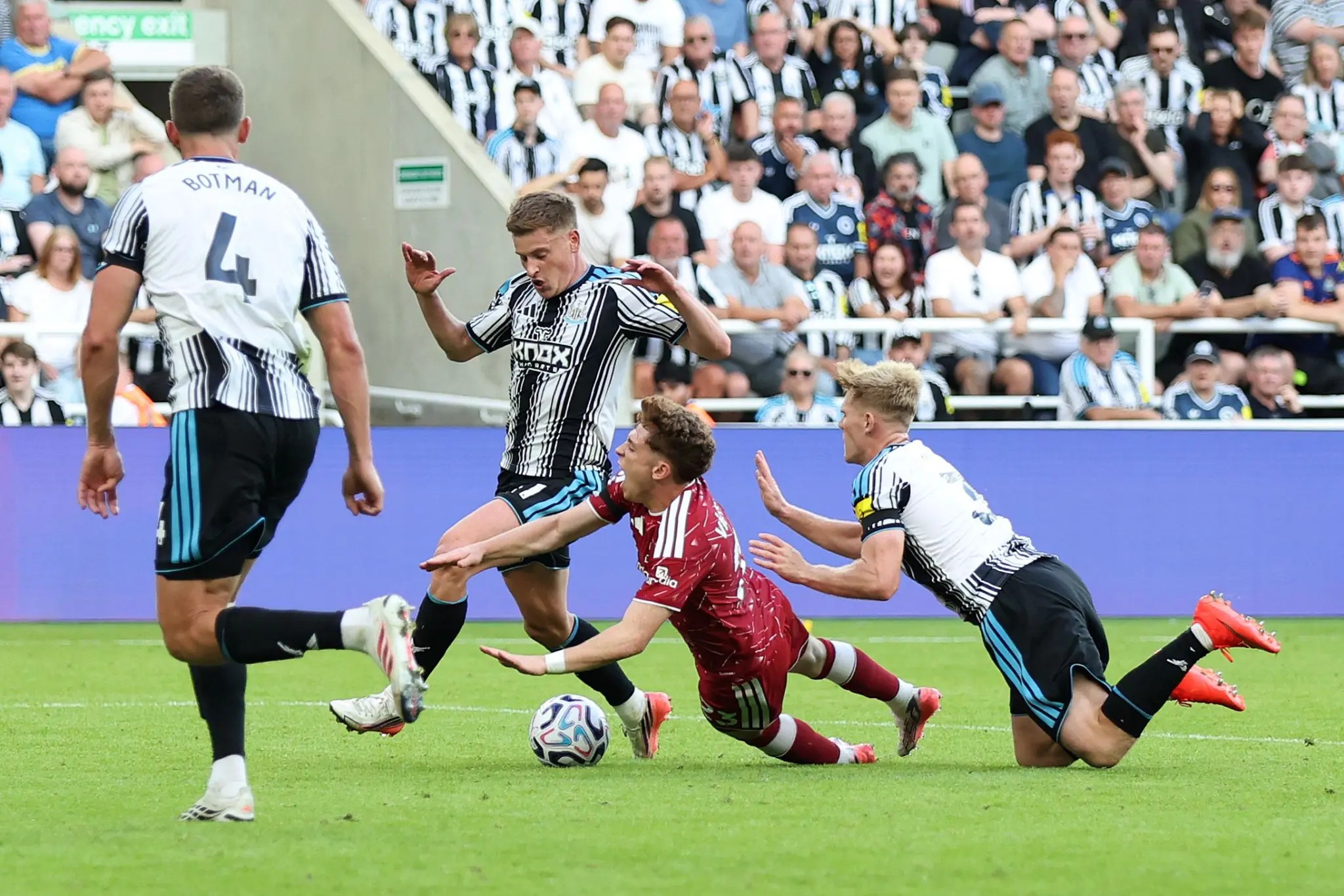
Not everyone saw it that way. Newcastle’s players, supporters and head coach objected strongly, arguing the contact was minimal. From their perspective, the level of physicality involved did not merit a game-changing penalty at such a late stage. But the officials’ view — backed by Webb — was that minimal contact still counts when a defender gets no part of the ball and impedes an opponent in possession.
Dominik Szoboszlai converted the 99th-minute spot-kick, sealing a point for Liverpool in a match that had already swung back and forth. The draw extended Liverpool’s unbeaten start, but the manner of the equaliser left a sour taste on Tyneside.
A contrasting call at Nottingham Forest
Whatever comfort Webb’s endorsement offered, it was complicated just a week later. Liverpool travelled to Nottingham Forest and conceded a penalty of their own, this one involving goalkeeper Alisson Becker and Neco Williams. This time the decision went against the Reds, and this time the Key Match Incidents Panel reached a very different conclusion.
The KMI Panel ruled that the Forest penalty should not have been given. In its view, there was no clear and obvious error for VAR to correct, meaning the on-field decision should have stood without intervention. The panel’s verdict directly contradicted the outcome Liverpool had just experienced — a decision Webb had publicly supported — and raised fresh questions about consistency in how similar incidents are judged.
Notably, Webb’s opinion on the Forest incident was not heard. The Mic’d Up episode that featured his defence of the Newcastle penalty did not include his thoughts on the Anfield reverse. That silence, whether deliberate or simply a matter of timing, left the comparison hanging.
What the double standard means
The two episodes, separated by a single weekend in the first four weeks of the campaign, illustrate the narrow margins officials must navigate. In one case, minimal contact with no ball contact was enough to confirm a penalty. In the other, a panel of experts decided the threshold for intervention had not been met. Both decisions were reached by different bodies — VAR and the KMI Panel — but both carried weight.
For Liverpool, the sequence felt like whiplash: a reprieve at St James’ Park followed by a grievance at the City Ground. For Newcastle, the sense of injustice lingered, with the club’s coaching staff making their displeasure clear. And for Webb, the challenge is now one of messaging. He can defend individual calls, as he did with the Newcastle penalty, but the KMI Panel’s ruling on the Forest incident suggests the system’s internal checks do not always align with the public backing he offers.
The coming weeks will test whether that gap narrows or widens. What is certain is that the debate over what constitutes a penalty — and when VAR should step in — is far from settled.