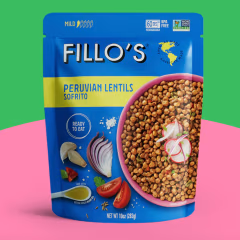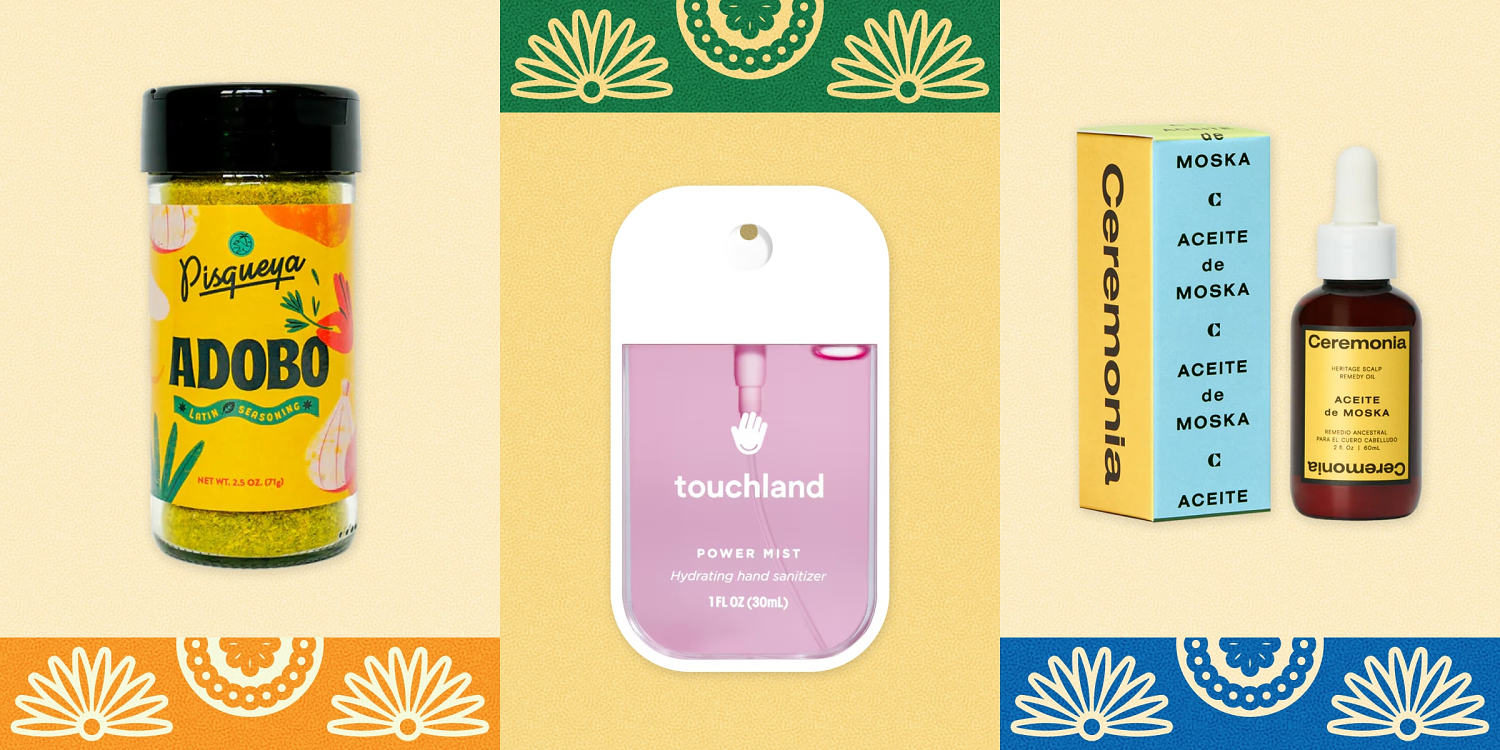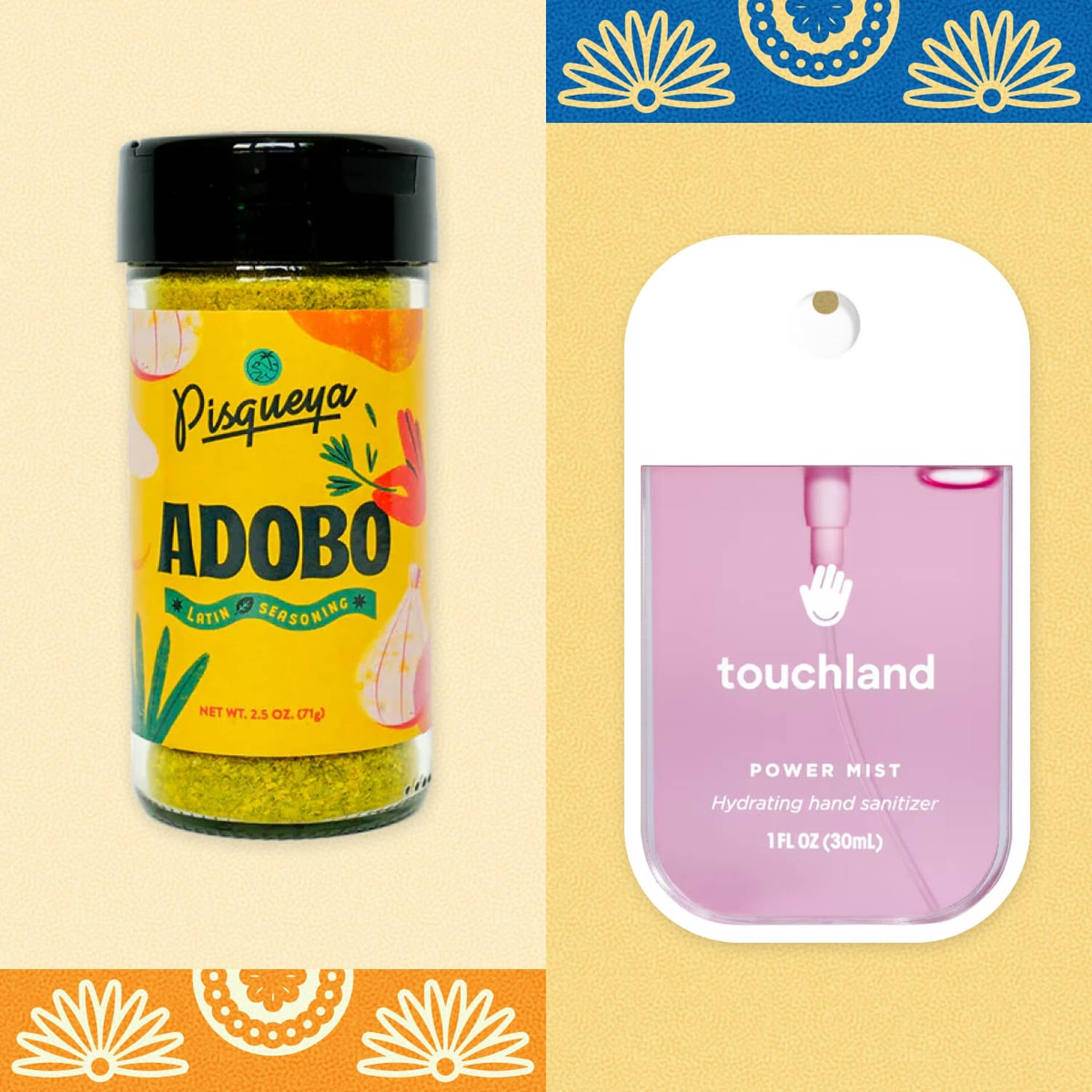

NBC Select has released a comprehensive guide featuring more than 100 Latino-owned brands spanning beauty, clothing, food, home and educational products. The list, compiled by updates editor Mili Godio and contributor Zoe Malin, highlights companies that are at least 51% Latino-owned. The guide arrives during Hispanic Heritage Month, which runs from Sept. 15 to Oct. 15, and was updated on Sept. 15, 2026.
Why This Guide Matters

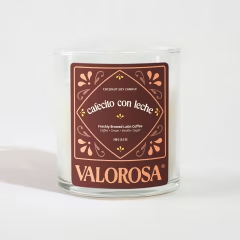
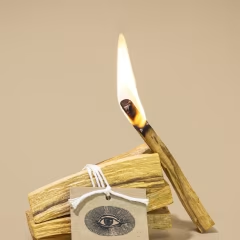
Latino-owned businesses represent the fastest-growing segment of U.S. small businesses, with more than 5 million such enterprises operating nationwide. Yet founders often face hurdles that their white non-Latino counterparts do not. Melissa Gallardo, founder and CEO of Valorosa, says the contributions of the Hispanic and Latino community deserve recognition throughout the year, not just during a designated month. Her brand, previously known as Bonita Fierce, celebrates Latinidad year-round through candles scented with cafecito con leche, elote and lavender fabulosa.
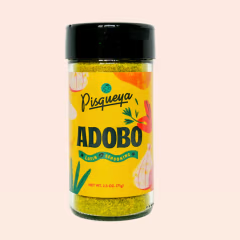
Maritza Abreu, founder and CEO of Pisqueya, points out that while awareness of multiculturalism is higher than ever, enthusiasm for Latino culture has not translated into representation in key markets. She cites limited access to capital and the challenge of maintaining cultural values as persistent obstacles. Babba Rivera, founder of Ceremonia, recalls questioning where authentically Latinx brands were before launching her own. She notes that the Latinx community makes up nearly 20% of the population and represents the highest spenders in many product categories.
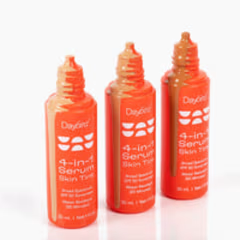
Whitney McElwain, founder and CEO of Daybird, adds that Latinas receive less than half a percent of venture funding. For her, Hispanic Heritage Month is a time to feel seen. Her brand offers a 4-in-1 tinted skin care product designed to dismantle beauty standards with people of color at the forefront.
Beauty and Personal Care
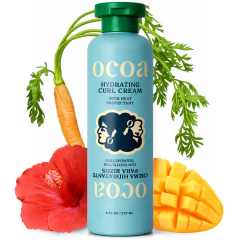
Ceremonia made history as the first Latina-founded hair brand sold at Sephora. The brand uses natural ingredients sourced from Latin countries and opened its first brick-and-mortar store in New York City last year. Daybird’s multitasking tinted skin care product simplifies routines. Ocoa Beauty, founded in 2021 by sisters Cory and Nicol Varona, offers a four-step system for curly hair. The name Ocoa comes from the Taino language and means “place between mountains.” The sisters embraced their natural hair in 2017, which inspired the brand.
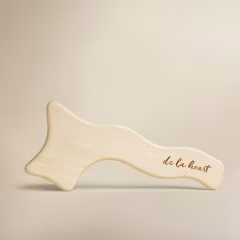
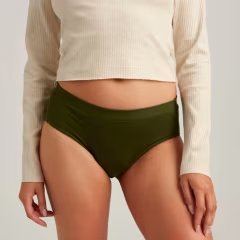
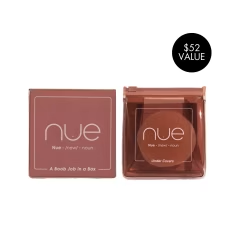
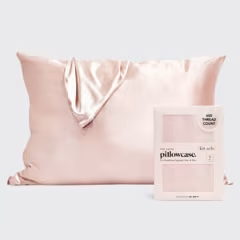
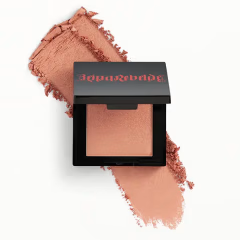
De La Heart, founded by Gigi Vogel in 2019, launched The Body Tool and four body oils that same year. Kitsch, founded by Cassandra Morales Thurswell, began with a handmade elastic hair tie and has grown into a global accessories brand. Reina Rebelde, founded by Regina Merson, draws inspiration from the telenovela Rosa Salvaje. Nue, founded by Stephanie Montes, offers a 16.5-foot roll of stretchy, hypoallergenic tape in four shades. Saalt, founded six years before the article, donated over 104,000 period products and reached more than 65,000 women and girls in 50 countries; the company commits 2% of revenue to period care donations. Springrose, founded by Nicole Cuervo and named after Grandma Rosa, reports that 33% of its workers are Latinx.
Fashion and Accessories
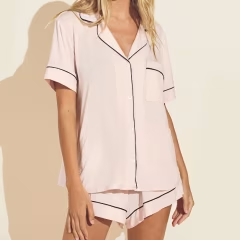
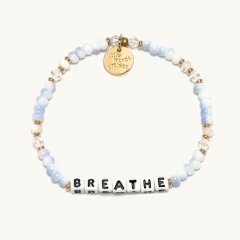
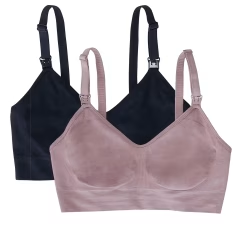
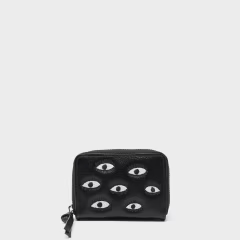
Eberjey, founded in 1996 by Ali Mejia and Mariela Rovito, entered an intimates market that Rovito describes as one-dimensional at the time. Ingrid & Isabel, founded in 2003 by Ingrid Ocaña Carney when she was expecting her first child, is the largest maternity brand in the U.S. and invented the Bellaband. This year, the company launched a Walmart-exclusive line. Little Words Project, founded by Adriana Carrig, offers wearable affirmations. Min & Mon, founded in 2014 by Andrés Felipe Quintero and Carolina Llano, sells wallets, bags and small accessories, driven by a desire to preserve Colombian leather tradition.
Food and Beverage

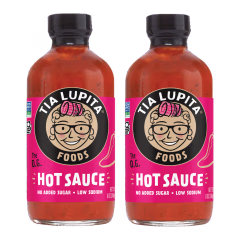
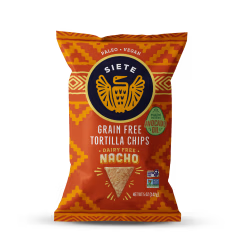
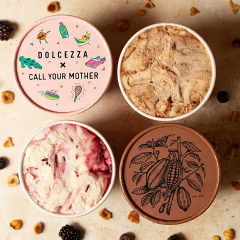
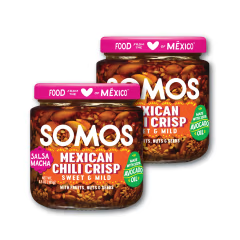
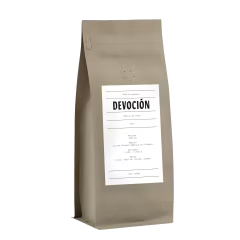
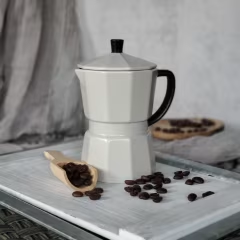
Siete Foods, founded by a family of seven, was acquired by Pepsi Foods for $1.2 billion earlier this year. The brand offers grain-free Mexican foods. Tia Lupita Foods, founded by Hector Saldivar, who moved from Mexico to the U.S. in 2005, sells tortillas, chips and salsa macha. Saldivar notes that Mexican hot sauce differs from U.S. hot sauce, and that U.S. labels often communicate pain. He credits excitement around ethnic food for helping his brand grow. Somos, created by three Mexican friends, also appears in the guide. Loisa, founded in 2021 and named after the Loisaida neighborhood, offers Latin seasonings; Yadira Garcia is an owner. Devoción Coffee, founded in 2006 by Steven Sutton, roasts beans in Brooklyn and dry-mills in Bogotá. Dolcezza Gelato, founded by Violeta Edelman and Robb Duncan, opened its factory in Georgetown in July 2004—without having made a batch beforehand. The couple had traveled to Buenos Aires in 2000.
Home and Lifestyle
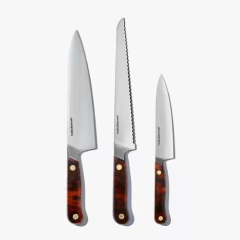
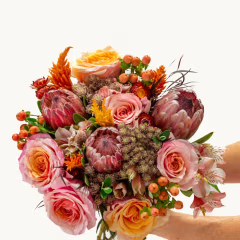
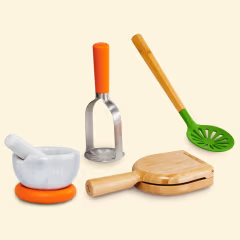
Hedley & Bennett, founded by Ellen Bennett, collaborates with chefs for product testing and aims to outfit kitchens for 50 years. Bennett says product development is not done in a silo. Latinx with Plants, created by Andi Xoch in 2019, was inspired by @blackwithplants. Vela Negra, founded by Aisha Cort, produces candles with black wax, vegan coconut soy wax and wooden wicks. Bloomsybox, founded in 2015 by Juan Palacio, offers monthly or weekly flower subscriptions and sources flowers mostly grown in Latin America. Palacio says customers emphasize brands that embrace heritage.
Books and Education
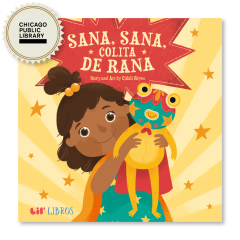
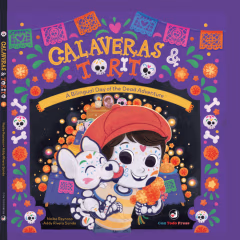
Cafe con Libros, opened in 2017 by Kalima DeSuze, is an intersectional feminist bookstore. Chau Luna, founded in 2016 by Ximena Diego, takes its name from the phrase “bye-bye moon.” Con Press, created in 2018 by Naibe Reynoso, publishes the Little Biographies for Bright Minds series. Lil’ Libros, founded by two friends, Patty Rodriguez and Ariana Stein, creates bilingual children’s books. The Lit Bar, founded in 2019 by Noëlle Santos, is the only brick-and-mortar bookstore serving the Bronx and includes an in-house wine bar and community programming. Duende District creates pop-up bookstores for people of color and has locations in Albuquerque, Washington DC and Brooklyn.
NBC Select independently determines coverage and recommendations. The guide notes that NBC Select earns a commission on purchases made through links. The Stanford Latino Entrepreneurship Initiative (SLEI) is cited as a resource. By supporting these businesses, shoppers can help Latino-owned brands thrive.