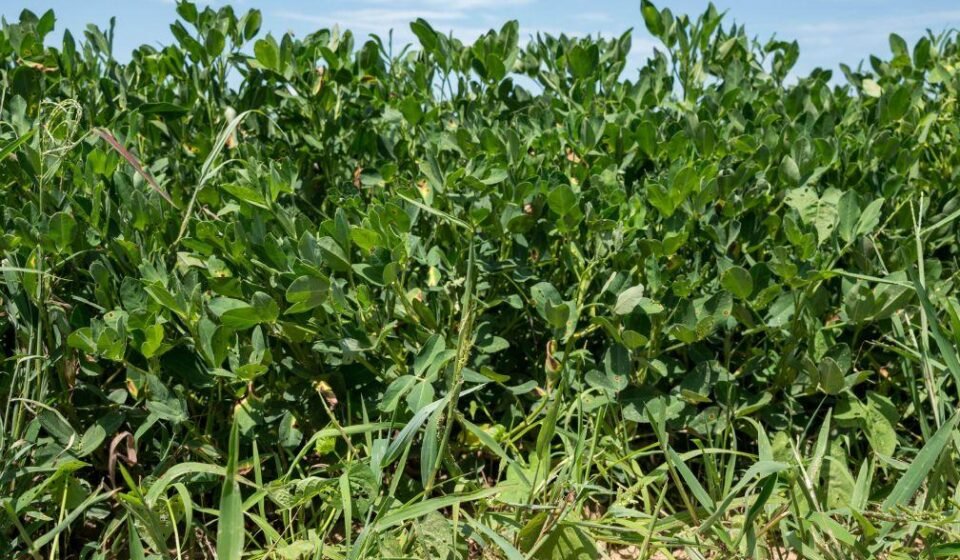

Mississippi’s peanut crop told two very different stories in one season, and the dividing line was often geography. Fields planted early in the Highway 82 corridor got off to a strong start under dry, warm conditions, while peanuts put in the ground later ran into too much rain and a rise in herbicide injury. The uneven results unfolded against a sharply smaller footprint: roughly 12,000 acres statewide, the lowest since the mid-2000s.
Acreage Shrinks on Several Fronts

Brendan Zurweller, a peanut specialist with the Mississippi State University Extension Service, put reported acreage at about 12,000. He pointed to a combination of forces behind the decline. Low prices made peanuts a tougher sell. Rainfall in May kept some growers out of the field. And at least one buying point did not offer contracts, leaving some producers without a clear destination for their crop in the fall.
That last factor carried real weight. According to Zurweller, some growers chose not to risk planting at all when they could not line up a fall buyer. The decision to plant or sit out was not just about seed and soil; it was also about whether a harvest would have somewhere to go.
Where the Crop Grows
Mississippi peanut production is concentrated rather than spread evenly across the state. George and Monroe counties rank as the top peanut-producing counties. Growers also work acreage in the Hattiesburg area and along the Highway 82 corridor, giving the crop a distinct regional map.
Early Planting Thrives, Late Planting Struggles
The first peanuts went into the ground during the second week of April. Most of that early acreage was along the Highway 82 corridor, where drier, warmer conditions helped establish good stands. Rain that followed was moderate, but a cold snap arrived in early May. Then the second half of May brought excess rain.
The consequences fell hardest on fields planted in mid-to-late May. Those peanuts suffered poor stands, and the wet conditions after planting made herbicide injury worse. Replanting stretched the planting window from early April all the way into early June. Zurweller described it as a tough start to the year.
Harvest Arrives on a Staggered Schedule
Because planting dates varied so widely, harvest did not follow a single calendar. Peanuts generally need about 140 days from planting to harvest. Zurweller said the mid-to-late April crop was likely to be harvested in the first half of September. The early crop harvest began Sept. 14 after weekend rain. Peanuts planted later were expected to be ready in October.
A Southwest Farm's Rollercoaster Season
Lonnie Fortner, who owns Bayou Pierre Farms with co-owner Karen Fortner, farms 400 acres of peanuts in southwest Mississippi. His season was rough from start to finish. Rain fell heavily through July 15, then stopped until late August. Conditions swung from extremely wet to extremely hot and dry.
Fortner said he is unsure how the crop will turn out, but he knows it will not be a bumper crop. He hopes for 2 tons per acre. He also had to spray for worms, something he had not done in years. His view of the margin is blunt: agriculture cannot afford to be average.
Profitability is tight across the state. With a low initial contract price and high input costs, Zurweller said growers need a high yield to come out ahead. The math leaves little room for the kind of stand losses and pest pressure that showed up in parts of Mississippi this season.
Research Trials Target Management Decisions
While growers managed their own fields, Mississippi State University ran its annual peanut variety trials. About 30 trials took place at the Starkville center, part of the Mississippi Agricultural and Forestry Experiment Station’s R.R. Foil Plant Science Research Center. The work tested seed rates, crop protection, soil and foliar fertility, and harvest time.
The trials are designed to give growers a clearer of how varieties and management choices perform. In a year when location and weather drove such different outcomes, that kind of information matters for the next planting decision.