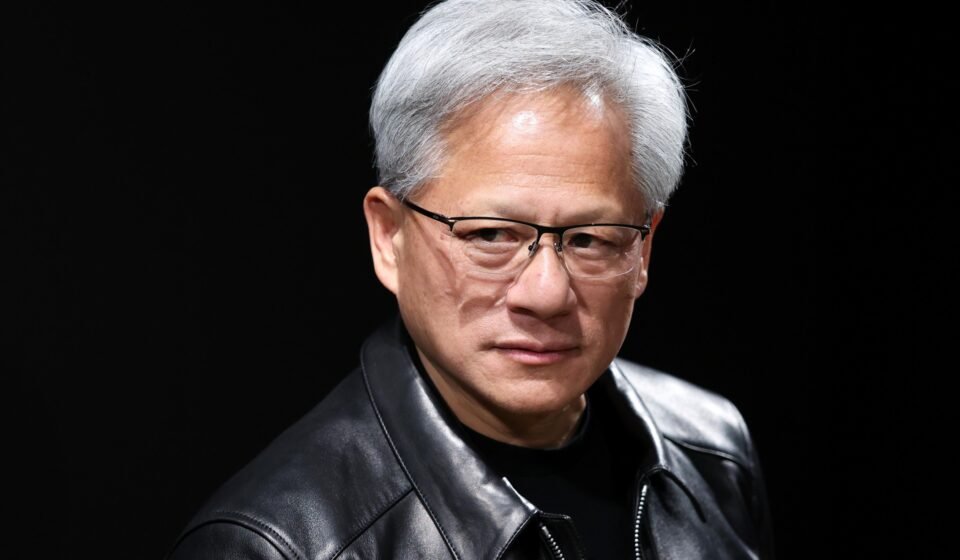

Jensen Huang, the CEO of Nvidia, has a message about artificial intelligence and the climate: the cure will hurt before it helps. In an interview on The Ezra Klein Show published September 24, 2026, Huang compared AI’s role in fighting climate change to surgery—painful, but ultimately lifesaving. The remark has drawn sharp criticism from environmental advocates and health researchers who say the technology’s growing energy appetite is already causing harm.
The Surgery Analogy and Its Implications

Huang argued that AI is the best opportunity to turn the corner on climate change, but only after a period of significant pain and suffering. He likened the process to a medical procedure that requires enduring discomfort before recovery. The comparison echoes the logic of the Marvel villain Thanos, who believed that drastic, painful measures were necessary to save the universe—a parallel noted by observers.
Huang also said that fossil fuels will be needed for several years because sustainable energy sources are not yet sufficient to meet demand. He complained that the United States has not built enough fossil fuel plants and blamed climate action for stalling energy infrastructure construction. According to Huang, AI already requires a lot of energy now, and in the long term it will accelerate demand for clean energy.
Data Centers and the Fossil Fuel Connection

The AI boom has spurred the development of fossil fuel infrastructure, as data centers require massive amounts of electricity. Huang acknowledged growing community opposition to data centers and advised companies to inform residents about planned facilities before building them. His advice comes amid rising tensions in communities that host these energy-intensive operations.
Environmental Protection Network senior director Marc Boom countered that a more polluting AI buildout is not inevitable. He said it depends on government choices being made now. The Trump administration has incentivized gas and coal plants to power data centers, a policy that locks in emissions for decades. Trump has also lined his campaign coffers with fossil fuel money, according to the brief.
Before the generative AI boom, renewables were the fastest-growing new source of electricity. Wind and solar power are generally cheaper than new gas or coal plants. Yet the rush to power AI has shifted momentum toward fossil fuels, at least in the short term.
Health and Environmental Costs

The health consequences of AI’s energy use are projected to be severe. Research from UC Riverside, Caltech, and the Rochester Institute of Technology estimates that air pollution from AI could cause 1,300 premature deaths by 2028 and cost over $20 billion in public health costs. These figures underscore the real-world toll of the technology’s expansion.
Climate change itself is accelerating. The Paris agreement, adopted in 2015 by nearly every country, aims to halve greenhouse gas emissions by 2030 and reach net zero around 2050. But the world is far off track. Earth is expected to lose 99 percent of its coral reefs, and 770 million people face acute risk from sea level rise. In the western United States, peak daily wildfire growth rates have more than doubled since 2001.
Huang's Maui Property and Community Tensions
Huang’s personal wealth—around $192.6 billion—insulates him from many climate impacts. He reportedly bought a $7.5 million home in Maui in 2004, and that property escaped damage from the 2023 wildfires that devastated much of the island, including Lahaina. A Nvidia spokesperson said Huang donated to local relief efforts.
But his presence in Maui touches a deeper nerve. The US annexed the Kingdom of Hawaii in 1898, and plantation owners cleared native vegetation for business, replacing it with invasive grasses that made the landscape more flammable. Today, tensions flare over luxury properties and water supply. Maui County Councilmember Keani Rawlins-Fernandez said billionaires buying Maui land is painful for the community and highlighted the disparity between Indigenous care for the land and views of the island as a vacation destination.
Huang also admitted he does not know his own address—a remark that may reflect his detachment from the places his wealth touches.
Choices, Not Inevitability
The debate over AI’s climate impact is not about technology alone. It is about priorities. Data centers do not have to be as polluting as they are; cleaner alternatives exist. Boom’s point is that government policy and corporate decisions will determine whether AI accelerates or mitigates the climate crisis. For now, Huang’s vision of pain before salvation leaves the suffering to others—while he and other tech billionaires remain largely shielded from the consequences.


