
Cold weather does not have to end outdoor running, but it does demand respect. Two numbers matter most: if the temperature drops below 15°F or the windchill falls below 10°F, experts say it is not advisable to run outside. Above those thresholds, running in the cold can be safe with the right precautions.
Know the Limits

Jay Silva, an RRCA certified running coach at TeachMe.To, describes cold running as invigorating but requiring smart preparation. The 15°F and 10°F windchill limits are not arbitrary—they mark the point where the risk of cold-related injury rises sharply. When conditions stay above those numbers, a run is still on the table, provided you plan ahead.
Warm Up Indoors First

One of the most common mistakes is heading straight into the cold without a warm-up. Silva emphasizes that warming up indoors is crucial because cold muscles are more prone to strain. Taylor Wilson, a certified personal trainer in California, recommends dynamic stretches such as leg swings or lunges to reduce injury risk. These movements raise muscle temperature and prepare the body for the demands of running before you step outside.
Hydration Matters in Winter Too
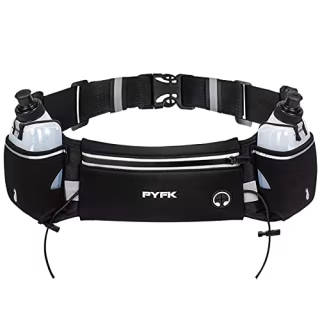
Thirst is less obvious when the air is cold, but dehydration can still occur. Andrew White, a certified personal trainer and founder of Garage Gym Pro, advises drinking water before and after cold runs. A running belt with 10-ounce water bottles can serve as a practical reminder to hydrate. Staying on top of fluid intake supports performance and recovery, even when you do not feel thirsty.
Watch for Black Ice and Low Visibility
Shorter daylight hours and icy patches create two of the biggest hazards for winter runners. Black ice is often hidden, especially in early morning or evening light. Silva notes that wind chill on hands or ears can be brutal, but the greater danger may be a sudden slip. When running on icy surfaces, he suggests adjusting your stride to be shorter and quicker. This lowers the chance of losing balance and gives you more time to react.
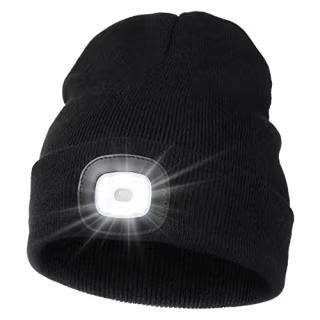
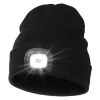
Visibility is another concern. With less daylight, drivers and cyclists may not see you. White recommends reflective gear to help you stand out. A lighted beanie can also improve visibility while keeping ears warm.
Dress for 10–20°F Warmer
The goal is not to feel toasty at the start. Silva advises dressing as if it is 10–20°F warmer than the actual temperature. You should feel slightly cold initially, because your body will heat up as you run. Overdressing leads to discomfort once you start sweating. Layers allow you to adjust on the move.
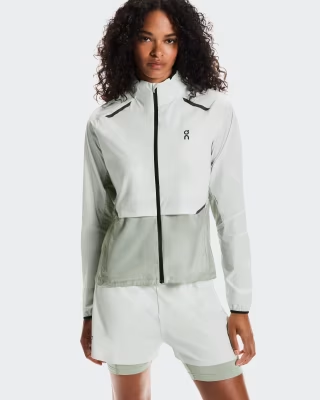
A reliable layering system starts with a moisture-wicking base layer to move sweat away from your skin. Add a thermal mid-layer for insulation, and top it with a wind- and water-resistant outer layer. This combination traps warmth without trapping moisture, and you can remove a layer if you overheat.
Protect Hands, Head, and Feet

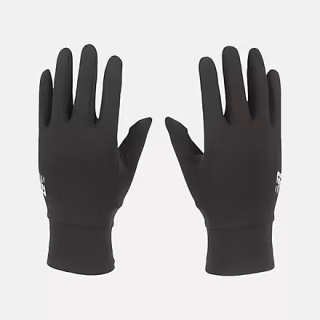
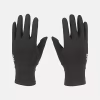
Extremities are vulnerable to the cold. Silva points out that wind chill on hands or ears can be brutal, so gloves and a hat are non-negotiable. Touchscreen-compatible gloves let you use your phone without exposing your fingers. A beanie with a built-in light improves visibility and keeps ears warm; some models offer up to 8 hours of runtime and 3 brightness levels, and come in more than 40 colors.
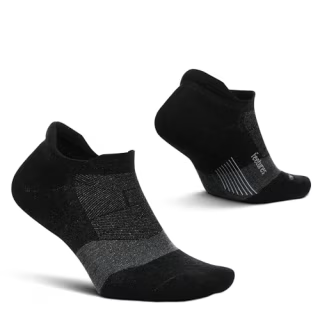
For feet, wool or wool-blend socks keep feet warm even if they get damp. Silva recommends trail shoes with deep treads for snow or slush. Wilson adds that deeper treads provide traction on icy terrain. If you run on packed snow or ice, trail shoes are a better choice than standard road shoes.
Gear That Works
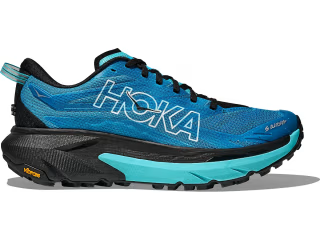
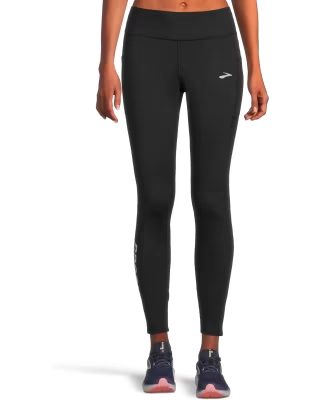
NBC Selected staff have tested several items suited to cold-weather running. Lauren Swanson, editorial director and marathon runner, finds that a Baleaf thermal shirt keeps her rarely cold. Zoe Malin, a reporter and regular runner, says Brooks tights never itch or slip. Other recommended products include Feetures socks, Hoka shoes, an On jacket, a PYFK running belt, New Balance gloves, and a Melasa beanie. Some of these items are available at discounts, such as 30% off Brooks tights and 50% off an On jacket.
Final Safety Checks
Before heading out, check the temperature and windchill. If either falls below the safe thresholds, move your run indoors or postpone it. When conditions are acceptable, warm up indoors, hydrate, dress in layers, and choose gear that protects your hands, head, and feet. Stay visible with reflective gear or lights, and stay alert for black ice. With these precautions, cold-weather running can be both safe and enjoyable.