The Urevo Cybermega sits in a crowded middle ground. It is priced well above the simplest walking pads yet below the most expensive connected treadmills, and it arrives with a promise that has become common in home fitness: artificial intelligence that can coach you through a 5k, a 10k, or even a marathon. In a review published on September 25, 2026, Notebookcheck’s Stephen Pereyra put the machine through multiple runs to see whether the hardware and the software deserve equal billing.
The short answer is that the Cybermega is a capable piece of gym equipment wrapped around an app experience that does not always hold up its end of the bargain. The treadmill itself runs as intended. The AI layer is where the frustration lives.
What the Cybermega Offers Under the Hood
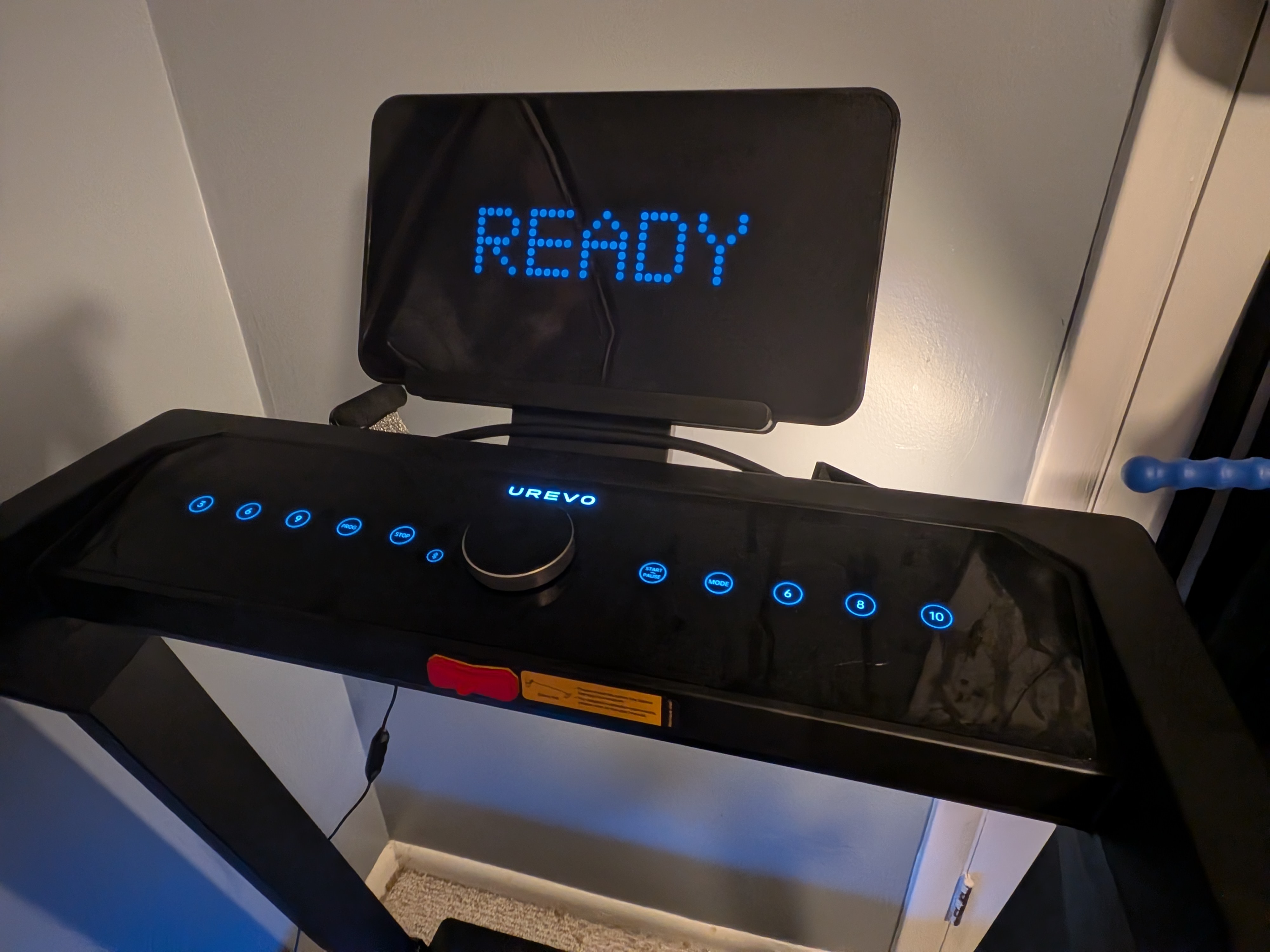
On paper, the specifications are aimed at runners who take training seriously rather than casual walkers. A 4.0 hp dual-brushless motor drives the belt to a top speed of 12.5 mph, or 20 kph. Automatic incline climbs as high as 12%. The running deck measures 51.18 inches by 18.9 inches (130 cm by 43 cm), and the machine is rated for users up to 300 lbs.
A 13.8-inch LCD console anchors the front of the treadmill, and Bluetooth connectivity links the machine to the Urevo app. Urevo’s Swiftfold mechanism lets the deck fold upright for storage, a feature that matters in homes where floor space is at a premium. Urevo rates the noise level at under 40 decibels.
Pricing lands between $899 and $999, with a listed price of $999.99. That places the Cybermega in the mid-range tier of home gym equipment, above budget walking pads and below prosumer treadmills.
Assembly, Setup, and First Impressions
The treadmill arrives almost fully assembled, which removes much of the usual unpacking and bolt-sorting friction. Setup still requires two tasks: oiling the deck and raising the control board. Neither is difficult, but neither is entirely optional.
Once upright, the Cybermega has an understated look that Pereyra found fits home decor rather than clashing with it. The frame feels solid. At higher speeds, the machine avoids the wobble that can make budget treadmills feel precarious. The deck is long enough to support a full running stride for most runners.
Storage is a genuine strength. The folding design takes up less floor space than similarly capable units, and the deck folds down when the workout is over.
Running Performance and Shock Absorption
Mechanically, the Cybermega does what it promises. The top speed and incline are sufficient for a serious workout, and Pereyra found the controls easily accessible during runs. Coaching metrics tracked properly throughout testing.
The shock absorption pad is adjustable via side sliders, and Pereyra judged it comfortable across all running styles. It outperforms the stiff decks found on older machines and reduces joint impact, a benefit for minimalist or barefoot runners in particular.
Two hardware annoyances stood out. The armrests are not adjustable, and the underside of the plastic where the armrest base meets the top cover is sharp. During testing, natural arm swings caused minor cuts and scrapes to the hands. Runners have to monitor their hand placement, which is an unwelcome distraction during a hard effort.
The flat heart-rate sensors also pool sweat, which leads to inaccurate readings. That is a common problem with grip sensors, but it is worth noting for anyone who plans to rely on the machine’s own heart-rate data rather than a chest strap or watch.
The AI Coaching Experience
The Cybermega’s headline feature is its AI coaching app, which offers training programs for 5k, 10k, and marathon distances. The pitch is that beginners can get structured guidance without hiring a coach, and the app does deliver metrics that track correctly. Connecting a device to the machine is the gateway to navigating those programs.
The problems emerge once the run begins. AI-generated running music stopped during multiple test runs, and restoring audio required restarting the app. That kind of interruption is more than a minor inconvenience; it breaks the rhythm the music is supposed to support.
Simulated video routes also fall short of immersion. During a virtual route set in the Swedish mountains, the footage showed a camera car entering a driveway, and the shadows of the recording vehicle were visible on screen. Those artifacts pull the runner out of the experience rather than into it.
These issues are not unique to Urevo. AI-powered products often suffer from software problems, and the Cybermega fits that pattern. The hardware is ready for serious training; the software is not always ready for the runner.
Who Should Consider the Urevo Cybermega
The Cybermega makes the most sense for a runner who wants a space-saving treadmill with enough speed and incline for real workouts and is willing to treat the AI features as a bonus rather than a centerpiece. Prospective marathoners will find the mechanical foundation adequate. Beginners may still benefit from the structured programs when the app cooperates.
Buyers who prioritize polished software, seamless music, and convincing virtual routes should look elsewhere or wait for updates. The sharp armrests and sweat-prone heart-rate sensors are also worth weighing before purchase.
Notebookcheck states that the test sample was provided free by the manufacturer, that there was no third-party influence on the review, that the manufacturer did not receive the review before publication, and that there was no obligation to publish it. Those disclosures matter in a category where marketing language often outpaces what the product can actually do.
The Urevo Cybermega is a solid treadmill with a software problem. For the right buyer, that trade-off may be acceptable. For everyone else, it is a reminder that AI features are only as good as the app that delivers them.