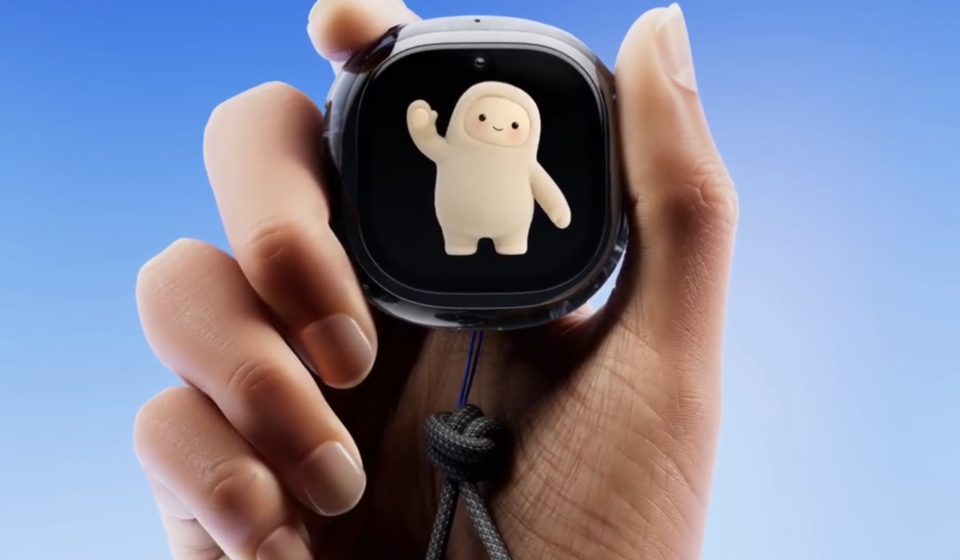

Meta used its Connect 2026 stage in Menlo Park, California, to pull back the curtain on a piece of hardware that shrinks its AI ambitions down to something that dangles from a keyring. The device is called Muse Charm, and it is built to run the company’s Muse AI agent in a package roughly the size of an AirPods case.
CEO Mark Zuckerberg introduced the gadget during the event, then demonstrated it by pressing a fingerprint sensor to kick off a conversation. His framing was simple: the Charm crams the full Muse experience into a keychain form factor, making the assistant something that is always within reach for a chat.
A screen, a sensor, and a voice
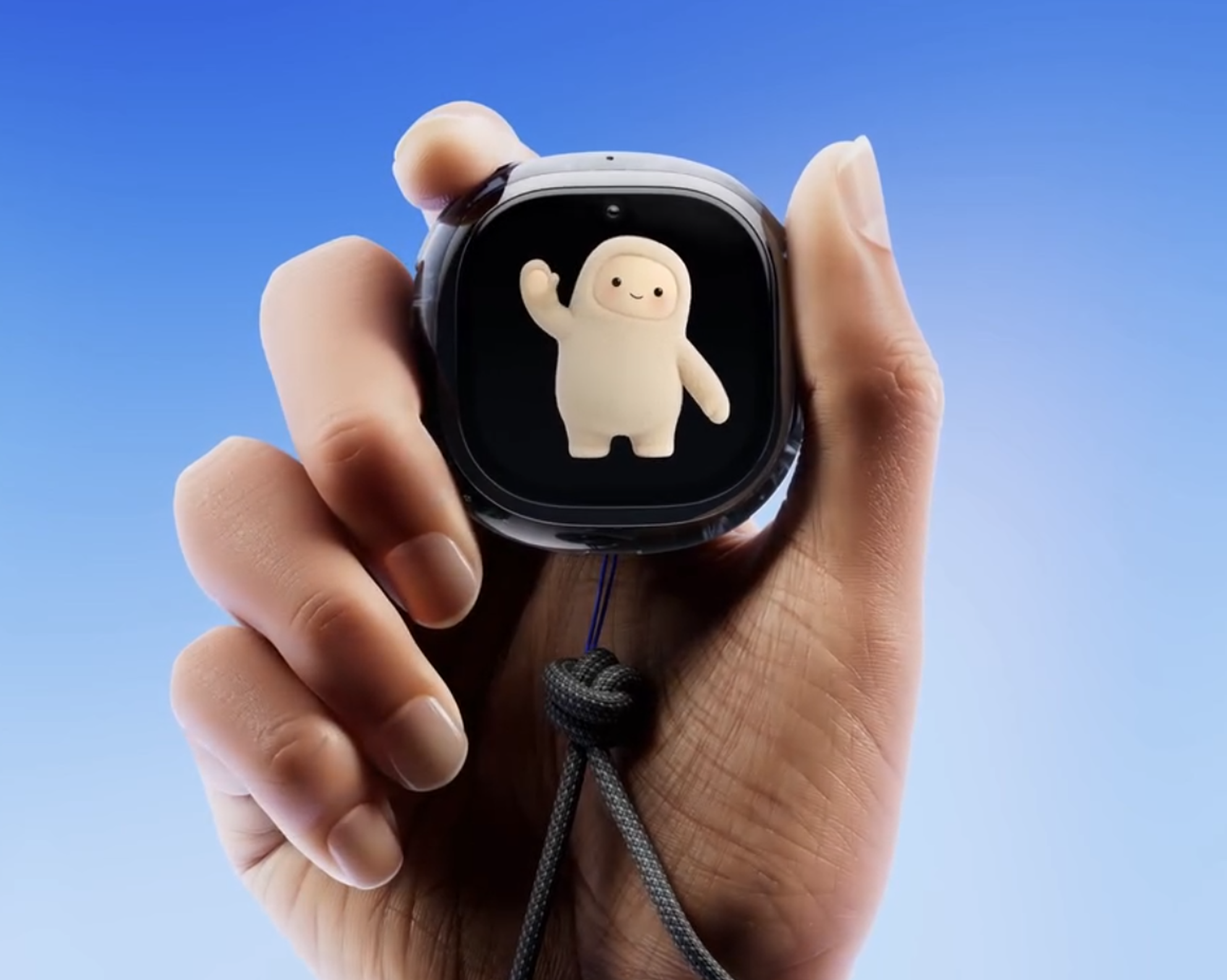
The most visible part of Muse Charm is a small touchscreen, about two inches across, that displays an animated avatar. That avatar is not fixed. Owners can swap it out, giving the device a customizable face that changes with their preferences.
Conversation begins at the fingerprint sensor, which sits in a corner of the device. A tap starts the interaction, and from there the Charm handles real-time voice. The combination of a moving avatar and live speech is meant to make the assistant feel present rather than purely functional.
Meta’s Connect blog described the device as delightful and fun for talking with Muse, language that positions it closer to a companion than a utility. The emphasis on personality, rather than raw productivity, runs through the design choices.
Phone-free connectivity
Muse Charm does not need a phone nearby to work. It carries built-in 5G connectivity, which allows the device to connect on its own. That cellular link is central to the pitch: the assistant stays available even when a handset is out of reach.
Reuters reported the two-inch touchscreen and the built-in 5G. Those details matter because they separate the Charm from accessories that rely on a paired phone for processing and connectivity. Meta is presenting the device as a standalone entry point to Muse, not a peripheral.
What the Muse agent does
Muse is not new. Meta launched the AI agent on September 8, and the Charm is one more way to reach it. The agent runs tasks inside a cloud environment called Muse Secure VM. From that environment, it can access calendars, payment methods, and connected apps.
Users are given room to shape the agent itself. They can name it, design its avatar, and adjust its speech accent and pace. Those customization options extend the personalization beyond the hardware to the assistant’s identity and voice.
Muse is already available through phone apps, the web, and WhatsApp. Meta has also said the agent will come to AI glasses in the coming months. The Charm joins that expanding set of access points rather than replacing them.
Launch timing and open questions
Meta is aiming to ship Muse Charm in December. That target comes with significant caveats. The company is still finalizing components and design, and only a few units have been built so far. No price has been announced, no battery life figure has been shared, and full specifications remain undisclosed.
Meta has also not confirmed which markets will sell the device. Zuckerberg said more details are coming soon, leaving the commercial incomplete even as the December window approaches.
The Charm was unveiled alongside Meta VR Glasses, another hardware announcement from the same event. Together they sketch a broader push into devices that carry Meta’s AI beyond the phone screen.
What remains unanswered
For all the stage time, Muse Charm is still a product in motion. The size, the screen, the 5G radio, the fingerprint sensor, and the animated avatar are established. The price, the battery, the full spec sheet, and the list of countries where it will go on sale are not.
That leaves the keychain-sized assistant in an unusual spot: announced with a ship target, demonstrated in public, and still short of the details buyers typically use to decide. Meta has promised more information soon, but for now the Charm is a glimpse of where the company wants its AI agent to live next.