
Body oils have carved out a firm place in the moisturizing routine, offering deep hydration and a way to reinforce the skin’s moisture barrier. But their placement in a lineup of serums, lotions, creams, and butters is not always obvious. Should oil go on first, last, or somewhere in between? Two board-certified dermatologists, Connie Yang of PfrankMD by Dr. Paul Jarrod Frank and Elaine F. Kung, founder of Future Bright Dermatology in New York, shared guidance on how to apply body oils correctly, when to reach for them instead of lotion, and which formulas are worth trying.
Oil or lotion first? The short answer

The order depends on what else you are using, but the general rule is straightforward: apply oil on top of lightweight body serums, and apply oil underneath thicker products like lotions, creams, and butters. That sequence allows water-based formulas to reach the skin first, while the oil sits closer to the surface. Yang explained that oils create a barrier that prevents other products from penetrating, so anything you want absorbed should go on before the oil. If you are only using oil and no other moisturizer, it can be applied directly to damp skin after showering.
Why damp skin matters
Kung said body oils absorb better on damp skin. The experts recommend applying a few drops sparingly right after showering, while the skin is still moist. This helps lock in water and improves spreadability, so you need less product. Yang noted that body oils consist of a blend of oils that soften and condition skin. Used consistently, they can improve the moisture barrier, reduce flakiness, and leave skin softer. For very dry or rough patches, oils can be a helpful addition when lotions and creams are not enough.
How to apply body oil for the best results
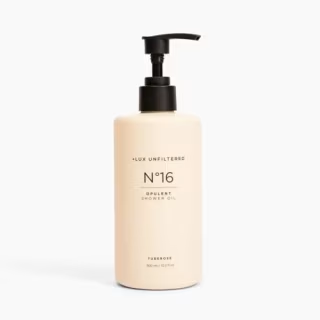
Start with a few drops—typically three to four pumps if you are using a shower oil—and massage it into the skin using circular motions. Massaging promotes absorption and circulation. You can apply oil all over or focus on dry areas like elbows and knees. After application, wait a few minutes before dressing or getting into bed to avoid staining your clothes or sheets. If you are using a shower oil, let it sit for about 30 seconds before rinsing, as with +Lux Unfiltered N°16 Opulent Shower Oil.
Layering oil with serums, lotions, and creams
Think of body care as a sequence from thinnest to thickest. Body serums go first, then oil, then lotion, cream, or butter. This order ensures that water-based hydration reaches the skin and that the oil seals everything in. If you prefer a lotion or cream as your main moisturizer, you can still add oil underneath it for an extra boost. Just remember that oil can block other products from penetrating, so do not apply it before a serum you want to absorb.
Choosing the right oil for your skin type
Not all oils behave the same way. If you have oily or acne-prone skin, look for noncomedogenic options like grapeseed or safflower oil. Yang cautioned that comedogenic oils such as coconut, soybean, and flaxseed can clog pores. Coconut oil does have antibacterial and antifungal properties, according to Kung, but it may not be the best choice for acne-prone skin. Dry oils absorb rapidly and leave a matte finish, while wet oils leave a slight sheen. For damaged skin barriers, choose oils rich in essential fatty acids. Yang said essential fatty acids are key for skin barrier health.
Ingredient benefits at a glance
- Argan oil contains antioxidants and anti-inflammatory properties. Kung said its fatty acids are crucial for hydration and elasticity, and Yang noted it is suitable for calming irritated skin.
- Jojoba oil resembles the skin’s natural sebum and can help regulate oil production, according to Yang.
- Coconut oil has antibacterial and antifungal properties, per Kung, but is comedogenic.
- Rosehip oil may help early scar stages, Yang said.
- Essential oils can provide aromatherapy benefits.
Dermatologist-recommended body oils
If you are unsure where to start, these picks come recommended by the experts.
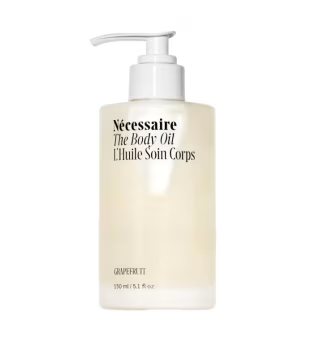
- Nécessaire The Body Oil — recommended by Kung. It is cold-pressed with avocado, marula, and olive oils, unscented, and leaves a dewy finish.
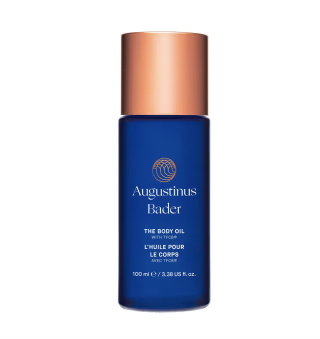
- Augustinus Bader The Body Oil — recommended by Yang for hyperpigmentation. It contains olive oil, argan oil, and vitamin E, and is unscented.
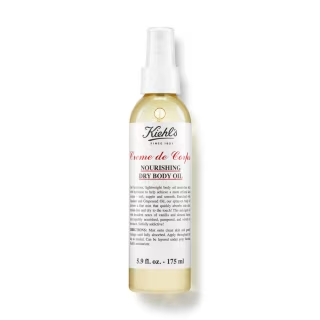
- Kiehl’s Creme de Corps Nourishing Dry Body Oil — recommended by Kung. It has squalane and grapeseed oil, a vanilla almond scent, and comes in a fine mist.
- Avène Skin Care Oil — recommended by Yang for very dry skin. It contains shea, safflower, camelina, and thermal spring water, with a rose, jasmine, and bergamot scent in a spray format.
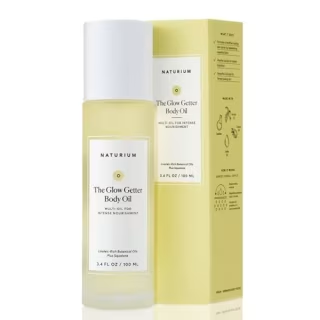
- Naturium The Glow Getter Body Oil — features squalane, jojoba, rosehip, and sea buckthorn. It has a light natural scent and absorbs quickly.
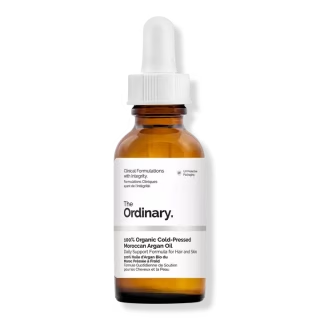
- The Ordinary 100% Organic Cold-Pressed Moroccan Argan Oil — pure argan oil for skin and hair, high in antioxidants.
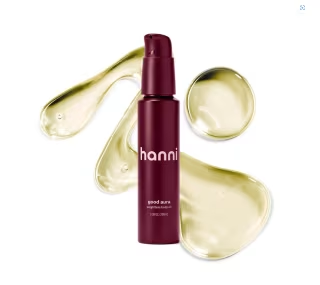
- Hanni Good Aura Weightless Body Oil — contains jojoba, baobab, and buriti. It is clear, nonsticky, and absorbs quickly.
- Mutha Body Oil — made with rosehip, grapeseed, and jojoba. It has a citrus scent and layers well.
Best practices for body oil use
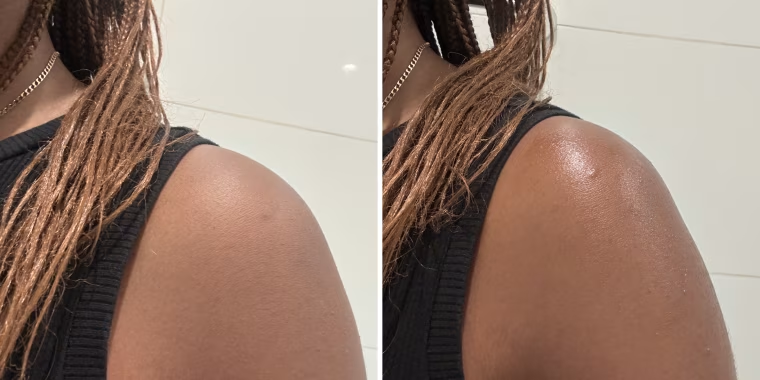
To get the most from your body oil, apply it after showering on damp skin, use a few drops sparingly, and massage it in. Layer it over body serums and under lotions, creams, or butters. Wait a few minutes before dressing or bed. Choose oils based on your skin’s needs and ingredients—noncomedogenic for oily skin, essential fatty acids for a damaged barrier, and specific oils like argan or rosehip for targeted concerns. With the right order and technique, body oil can be a valuable addition to any body care routine.