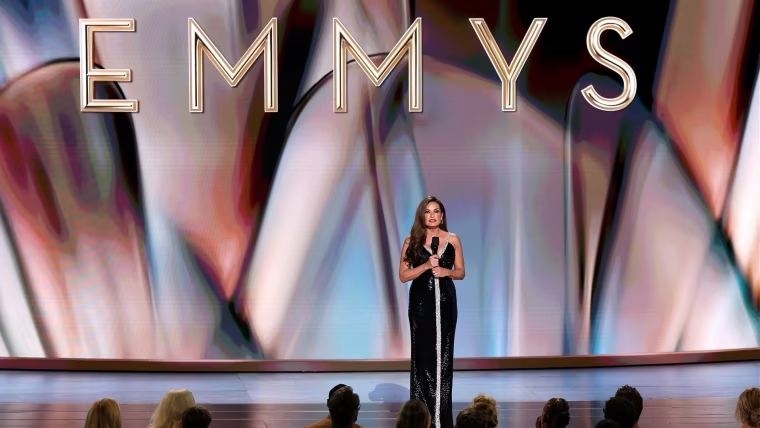

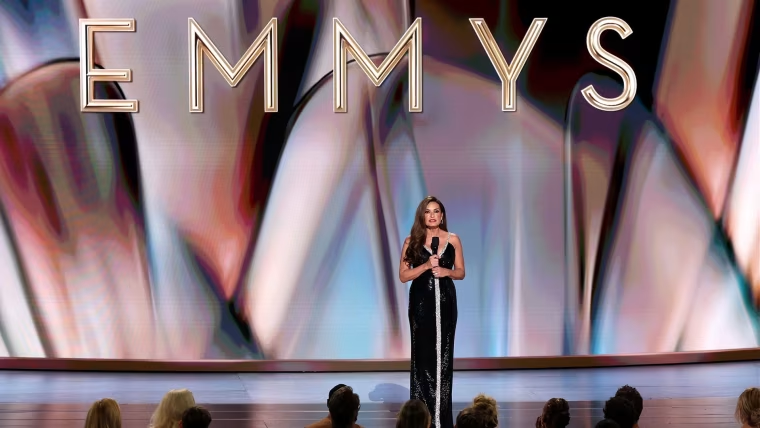
The 2026 Emmy Awards, held Monday night at the Peacock Theater, felt less like a coronation and more like a changing of the guard. Apple TV, which launched in 2019, claimed the most wins of any platform for the first time, finishing with 28 Emmys across all ceremony nights. The haul was powered by a freshman comedy that made history and a drama that resonated with voters, signaling a shift in where television’s most celebrated work now lives.
Apple TV’s Record Night
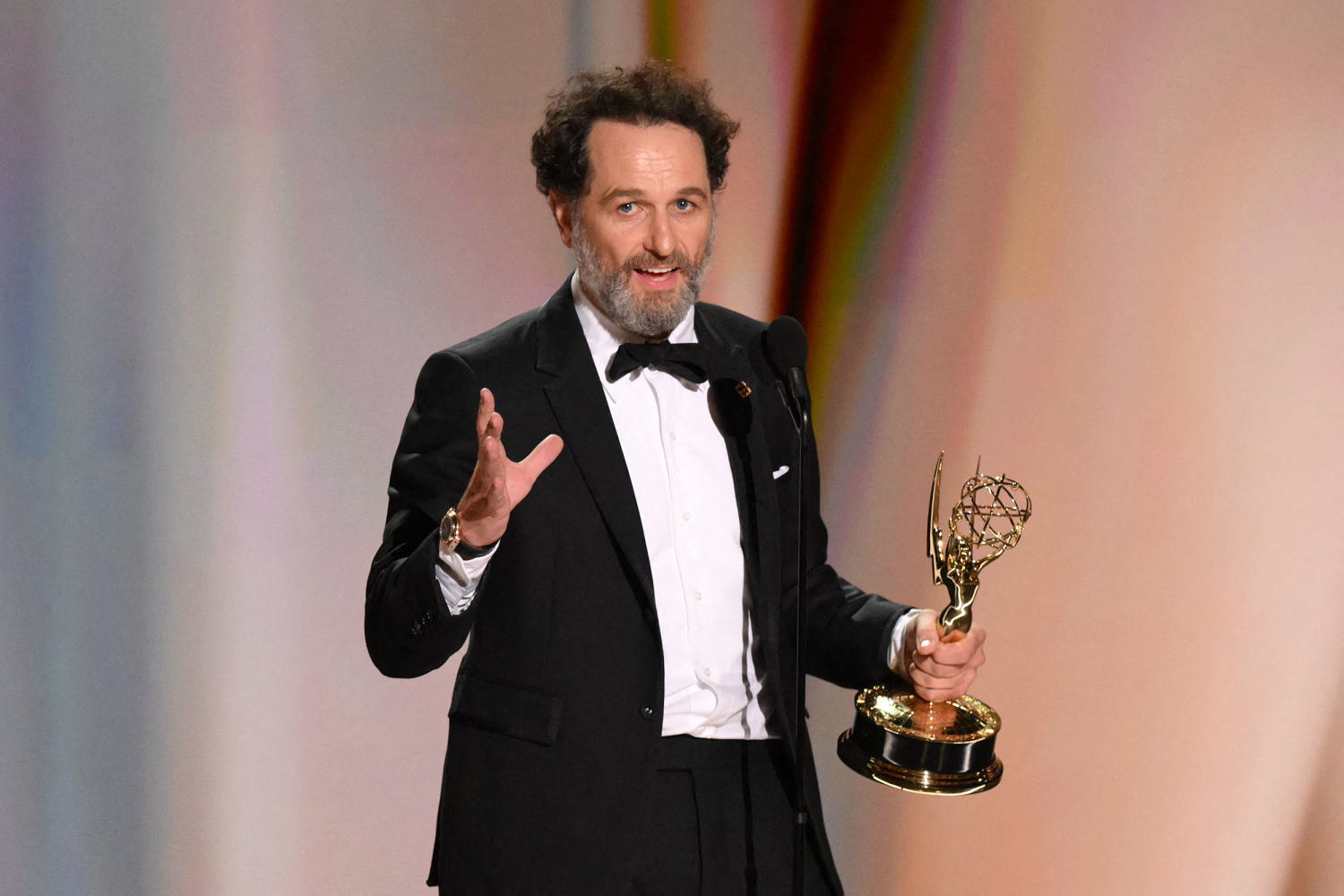
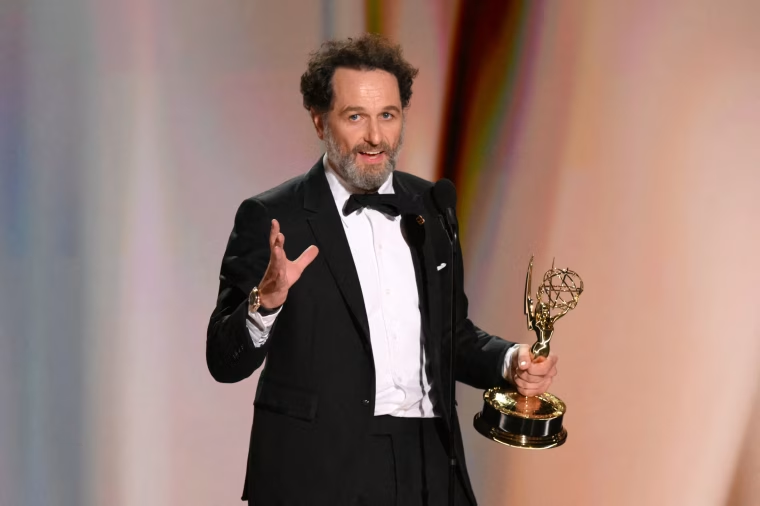
Widow’s Bay, the freshman comedy that became the talk of the season, collected 14 Emmys—a record for a first-year comedy. The show’s writing team, including Katie Dippold, was recognized; Dippold, gleeful during her acceptance, joked that the Emmy would become her entire personality. The Apple TV contingent in the audience was rowdy, cheering on each win as the night wore on.
Apple’s dramatic thriller Pluribus added six Emmys, bringing the platform’s total to 28. The win marks a milestone for a service that has spent seven years building prestige programming. John Ternus, attending as Apple’s new CEO, was spotted on the red carpet showing off a $2,000 foldable iPhone, a reminder that the company’s ambitions now stretch from pocket devices to peak TV.
HBO and Netflix Trail
HBO finished second with 21 total Emmys. Its limited series DTF St. Louis won seven, while the medical drama The Pitt took six. Netflix placed third with 16; Love on the Spectrum and Beef each earned three.
The night’s lead actor in a drama category went to Noah Wyle for The Pitt, presented by John Mulaney. Mulaney’s introduction, which included a joke about an award for men being men, was bleeped by NBC censors. Later, R. Scott Gemmill accepted best drama series for The Pitt, delivering a speech that praised entertainers for making people laugh, cry, and even feel disgust, and noted that the community was trying to do the right thing.
Hargitay’s Hosting Turn
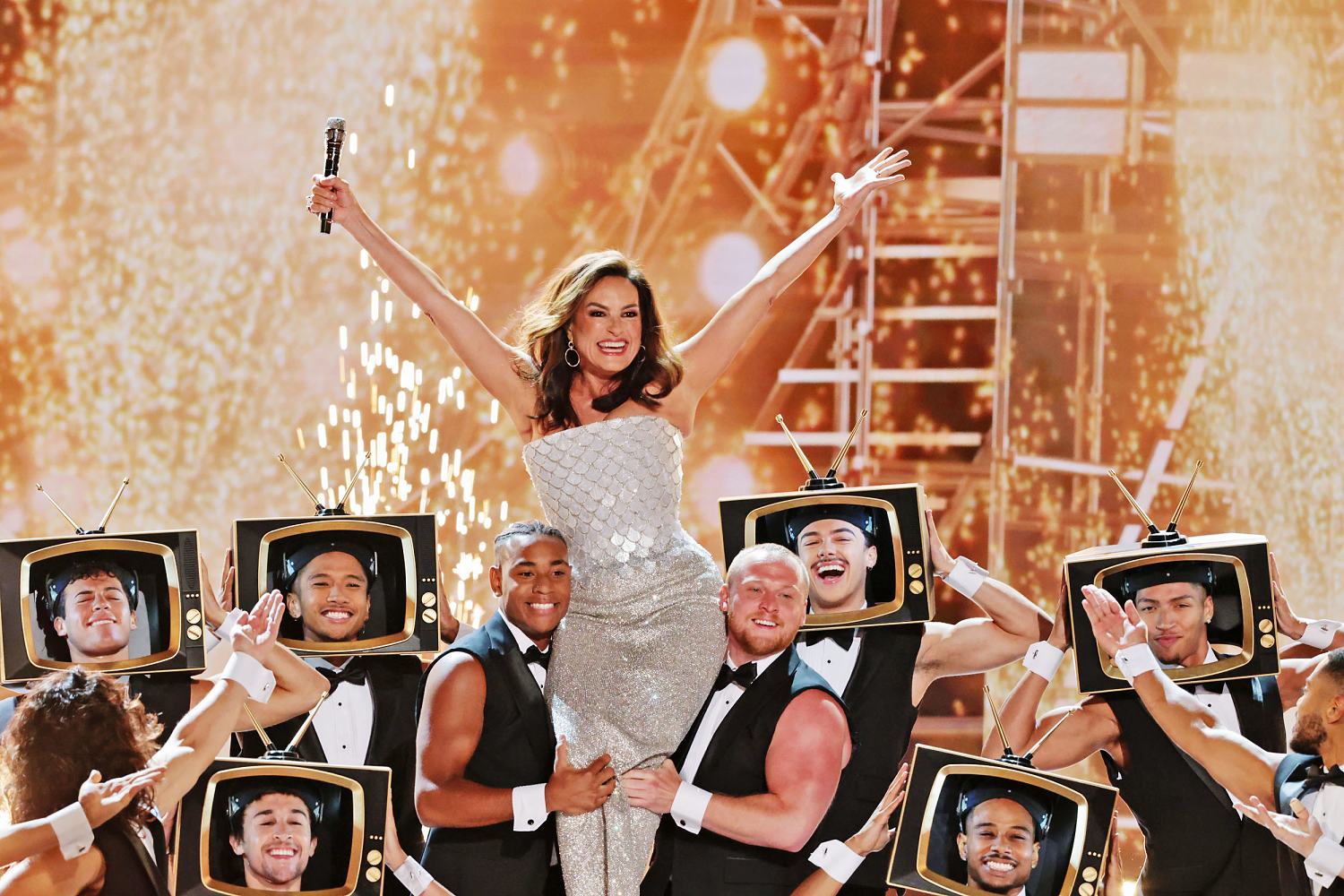
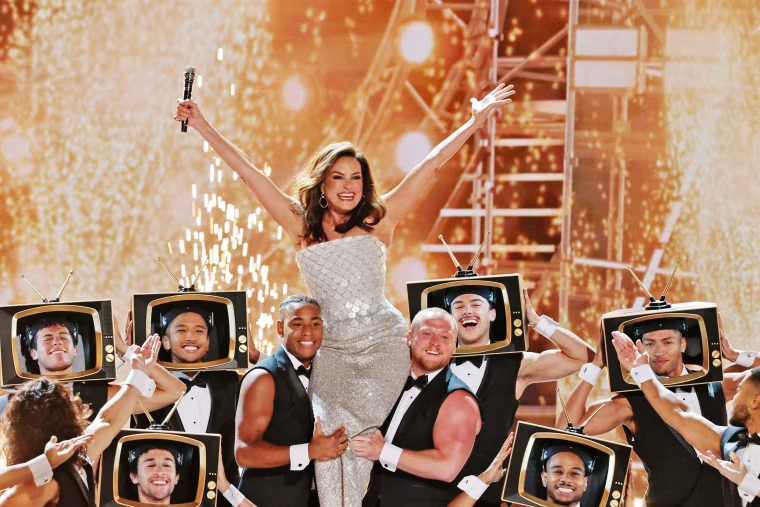
Mariska Hargitay became the first female Emmys host in 15 years, and she made the most of it. Her opening number featured New York Knicks guard Jalen Brunson, and a later skit included Taylor Swift. Hargitay cycled through at least 10 wardrobe changes, repurposing a famous Nicole Kidman AMC line along the way. She told the audience that television provides magic—a sentiment that echoed through a night heavy on nostalgia and transition.
Colbert’s Quiet Farewell
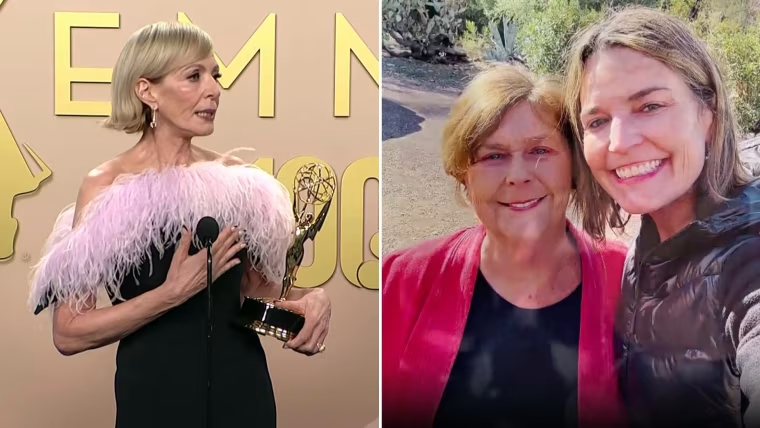
Stephen Colbert won his final two Late Show Emmys, capping an 11-year run on CBS. His acceptance speech stayed focused on gratitude, thanking the network, his writing staff, and his wife. He did not mention Donald Trump, the FCC, or the cancellation of his show—a notable restraint given the political undertones of the evening. Colbert’s after-party reportedly featured Emmys engraved for guests, a subtle nod to the end of an era.
Field’s Call to Arms
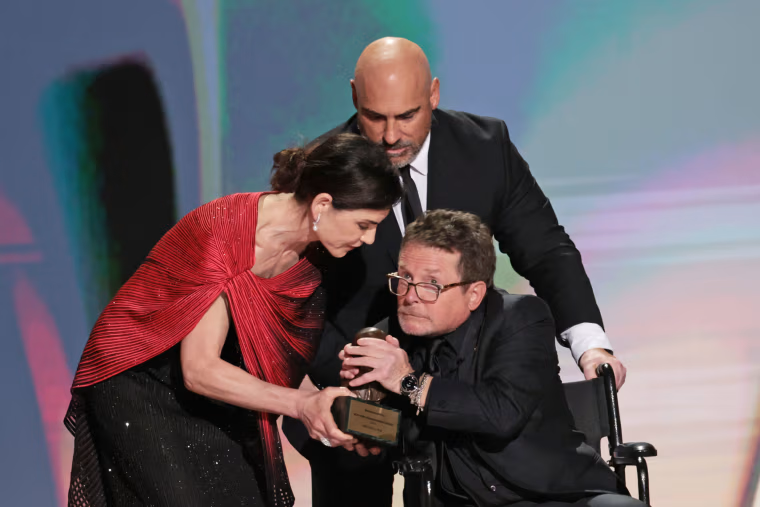
Sally Field accepted an Emmy for the Netflix movie Remarkably Bright Creatures. Her speech included a line that many interpreted as a rebuke of the looming Paramount–Warner Bros. Discovery merger: she said arts matter, voices matter, diversity matters, and they cannot be silenced or merged. The remark drew attention in a night otherwise light on topical humor about the Iran war, AI, or the merger itself.
Vince Gilligan, the creator behind Pluribus, offered a more earnest meditation on television’s ability to unite a divided country. It was a rare moment of reflection amid the celebratory chaos.
In Memoriam and Honors
The telecast paid tribute to Rob Reiner, Catherine O’Hara, and James Burrows. Reba McEntire sang Dolly Parton’s “Appalachian Memories”; Parton had died weeks before the ceremony. Noah Kahan performed “Bridge Over Troubled Water” during the In Memoriam segment.
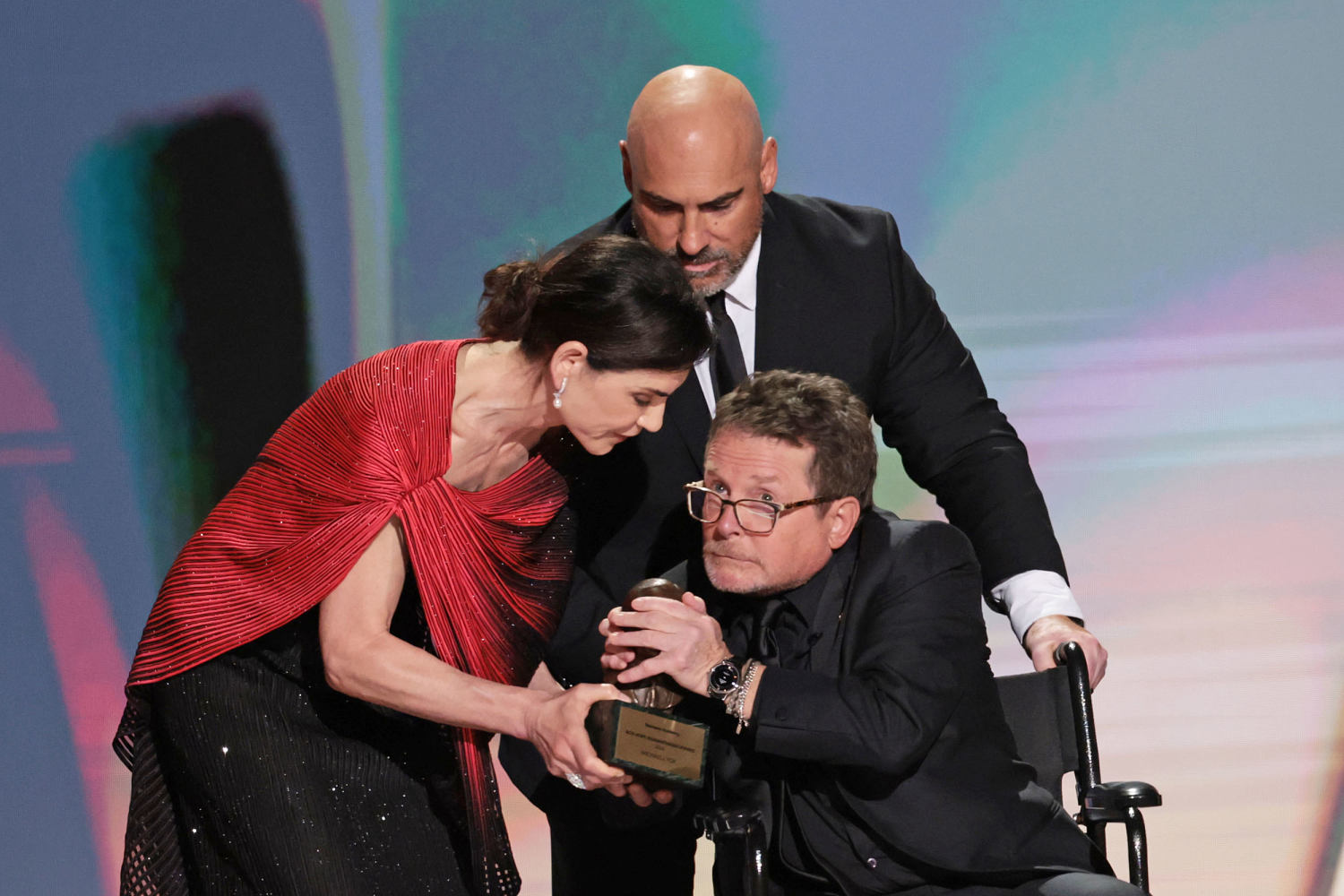
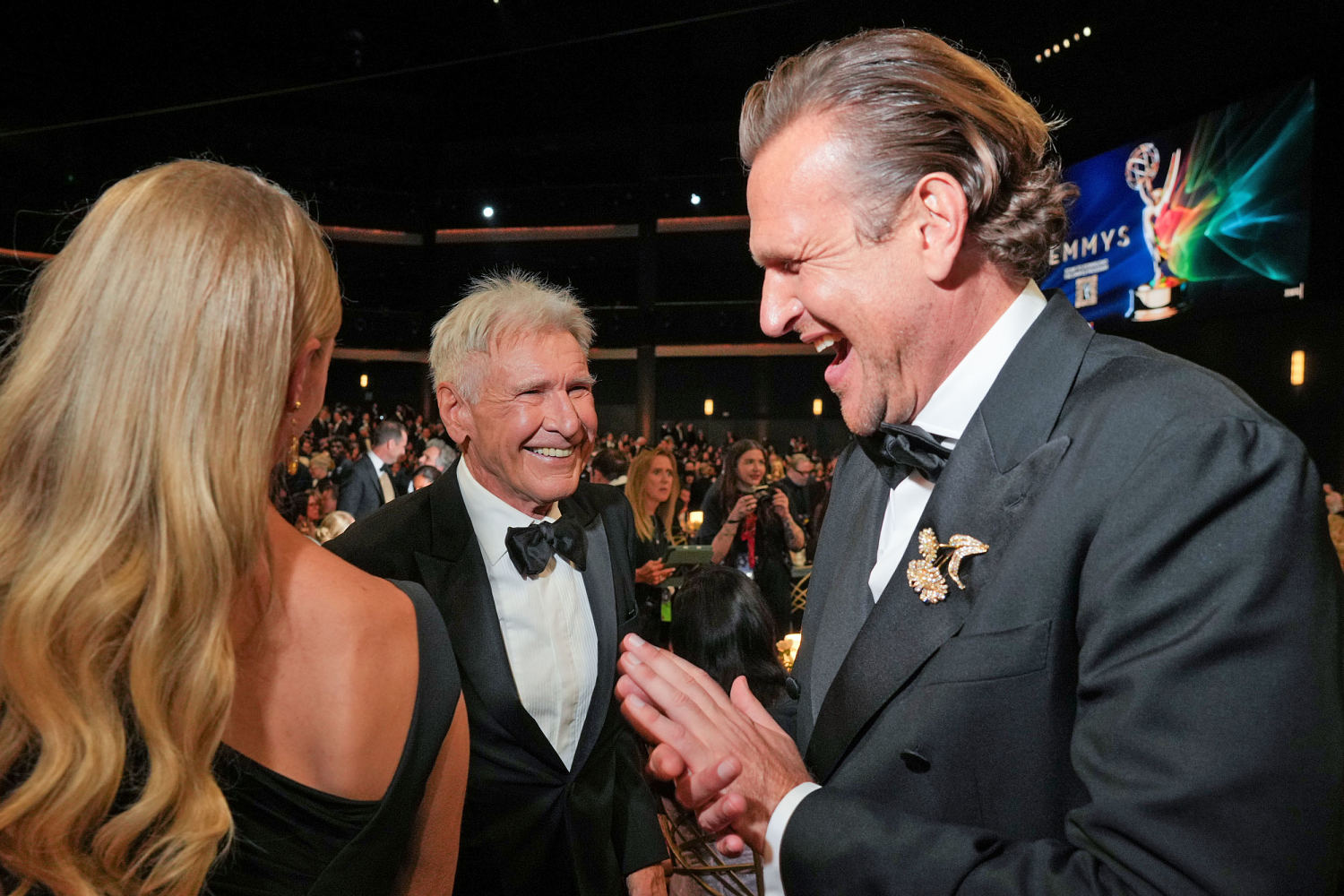
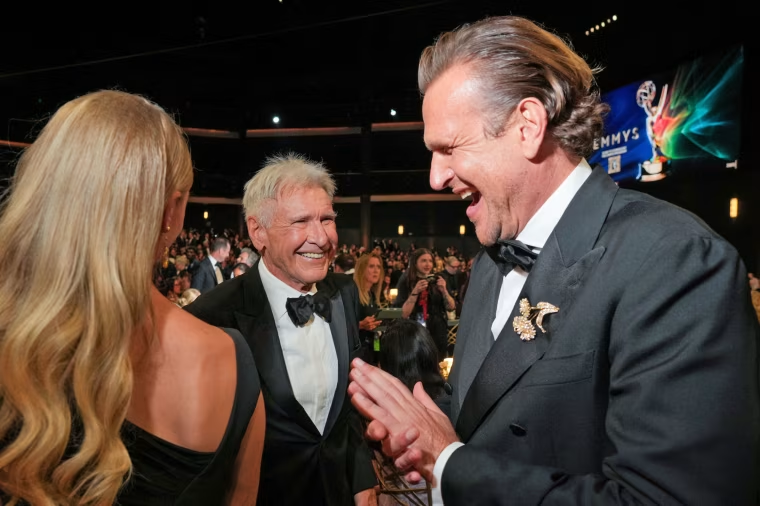
Michael J. Fox received the Bob Hope Humanitarian Award, presented by Julianna Margulies. Fox, who accepted from his wheelchair, received the longest ovation of the night. He shared that he had kept his Parkinson’s diagnosis secret for a long time, and that accepting it did not mean surrendering to it. Harrison Ford, attending as a nominee for Shrinking, was compared to Jack Nicholson at the Oscars for his relaxed, sunglasses-clad demeanor.
A Transition Year

The 2026 Emmys will be remembered as a transition point. Apple TV’s rise, Colbert’s farewell, and the looming merger all pointed to an industry in flux. The ceremony itself, spread across two previous nights and a Monday main event, reflected the fragmented yet vibrant state of television. As the stars filed out of the Peacock Theater, the question was not who won, but what comes next.