
Ed Sheeran’s Loop tour has been thrown into disarray after a wave of opening acts walked away, following the removal of Macklemore from the bill. The departures, announced across Monday and Tuesday, have left the stadium run without its scheduled support and raised uncomfortable questions about who controls what artists can say on stage.
How the Rift Began
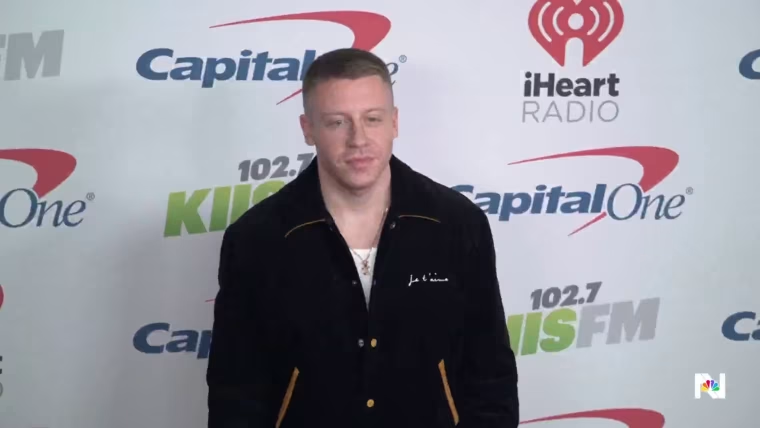
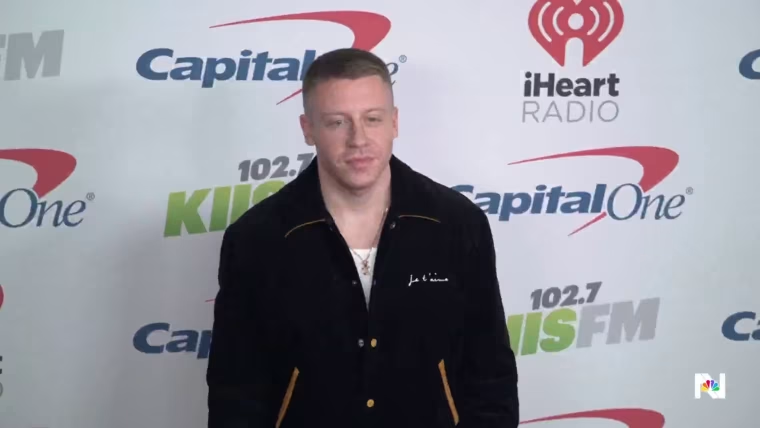
Earlier this month, Macklemore—whose real name is Ben Haggerty—joined Sheeran’s tour in New Jersey. During his set at MetLife Stadium, he addressed the crowd with a pro-Palestine message and performed his protest anthem “Hind’s Hall.” The moment was brief, but its repercussions were not.
By Monday, Macklemore announced he was no longer part of the tour. The same day, Robert Kraft, the owner of the New England Patriots, issued a statement. According to Macklemore, Kraft had called Sheeran and threatened to cancel the tour if Macklemore remained. Kraft did not deny that account. Instead, he said the decision rested on Macklemore’s recent actions and what he described as antisemitic rhetoric, while insisting it was not about suppressing Palestinian advocacy or diminishing suffering.
Sheeran’s promoter, Messina Touring Group, told Rolling Stone that venues would not allow a concert with Macklemore on the bill. The promoter added that cancellations would affect hundreds of thousands of fans.
Sheeran Breaks His Silence

On Tuesday morning, Sheeran released a statement. He said the removal was not his decision. He explained that he had spent a week trying to build bridges with the venues involved, and that those venues had threatened to pull shows over Macklemore’s presence. Sheeran also said the promoter held Macklemore’s contract and dropped him. He noted that he had spoken with both the venues and Kraft, and that his stance was informed by how Macklemore conveyed his message. He added that he respected Macklemore’s strength of purpose.
The statement came after growing backlash against Sheeran, suggesting that pressure had been mounting from fans and peers alike.
The Openers Walk Out
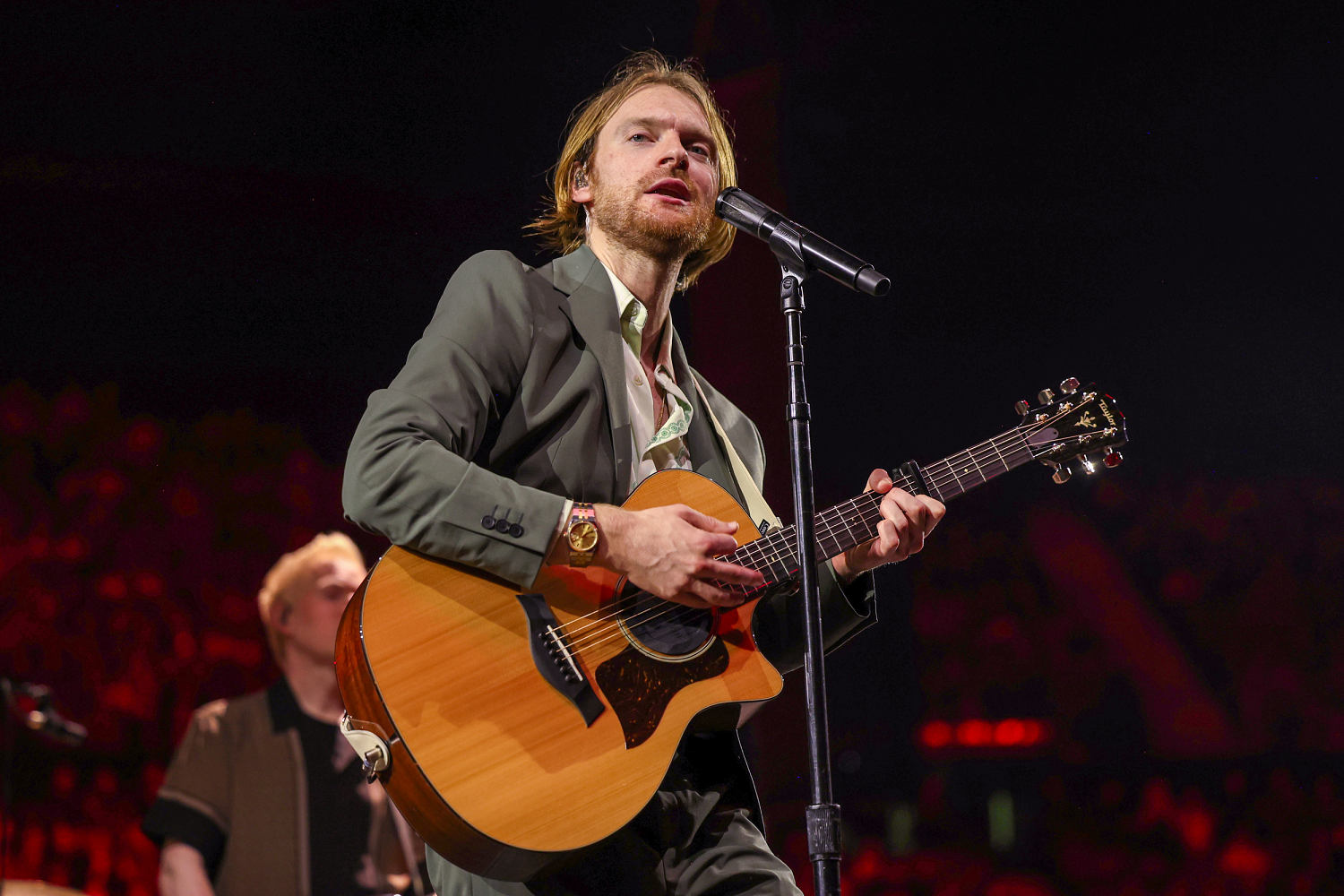
What followed was a rapid unravelling. On Tuesday, Aaron Rowe announced his departure about an hour before Finneas did the same. Finneas, the older brother of Billie Eilish, said he stands with Palestine and its people. He also said artists must not be silenced when speaking for the oppressed.
Rowe’s statement was more pointed. He said he could not stand by while billionaires silence voices against Israeli genocide. He highlighted what he called the savage murder of children. Rowe also spoke warmly of Sheeran, saying Ed had been a friend and had changed his life. He drew a parallel with Irish history, noting that Irish people know genocide, forced famine and violent occupation.
Beoga, Sheeran’s house band and friends with him for over 10 years, also left the tour. They criticised Kraft and supported Macklemore. In their statement, they said the real enemy is the zionist lobby, which they said silences artists speaking about genocide. They also said Palestinians have been killed. Their Instagram caption read “Saoirse don Phailistín”—Freedom for Palestine.
Lukas Graham, the Danish band, apologised to fans and confirmed their departure. They said speaking your mind was part of everyday life in their Danish community. They added that money doesn’t give the right to own a conversation, and that they should be able to speak about war, civilians killed and children.
The Wider Context

The fallout unfolds against the backdrop of the ongoing Israel-Hamas war. Last year, a UN commission found that Israel was committing genocide in Gaza. Israeli officials denied the allegations as distorted and false.
Finneas and Billie Eilish had previously promoted the Together for Palestine benefit concert, which raised funds for relief efforts.
NBC News sought comment from Messina Touring Group multiple times.
For now, Sheeran’s Loop tour is left without its opening acts, and the question of whether artists can speak freely on stage remains as unresolved as the conflict itself.