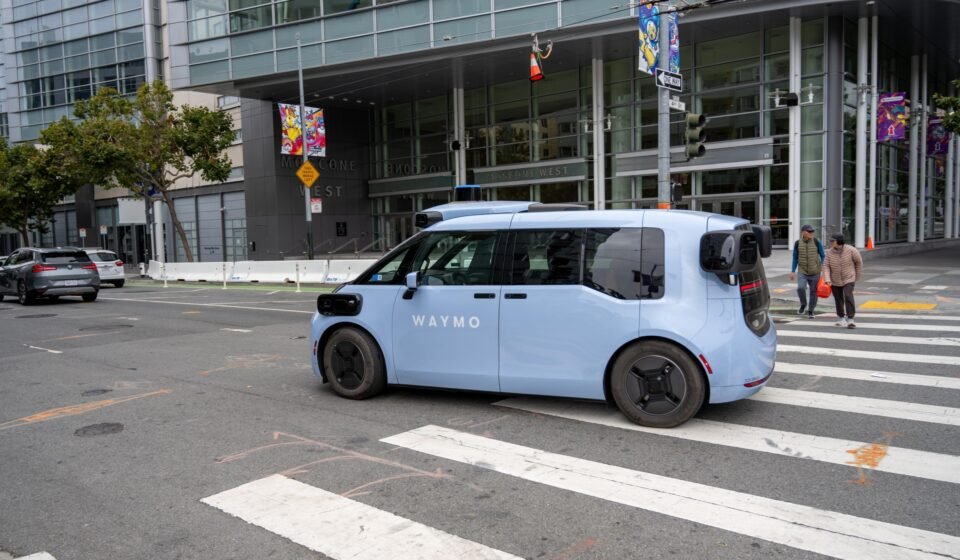

Waymo and Visa have introduced a transit-linked discount program in the San Francisco Bay Area, offering a $2.85 credit to customers who link a robotaxi ride with public transit using a Visa card. The announcement was made on September 22, 2026, and the program is the first of its kind for the Alphabet-owned autonomous ride-hailing company.
How the Waymo Visa Transit Credit Works

The mechanics are straightforward: a customer must use the same Visa card to pay for a Waymo ride and a public transit trip within a two-hour window. When those conditions are met, the $2.85 credit is automatically added to the customer’s Waymo account. It can then be applied to future Waymo rides. No manual claim or separate sign-up is required.
Visa’s role is central because its payment network can verify the timing of both transactions. That verification is what triggers the credit. The structure mirrors a standard public transit transfer discount, where a rider pays once and receives a reduced fare on a connecting trip within a set period.
Built on the Clipper Card Model

The program leans on the San Francisco Municipal Transportation Agency’s tap-to-pay Clipper card system, which already underpins regional transfer discounts. By tying the credit to a payment card rather than a separate loyalty account, Waymo and Visa are effectively borrowing a familiar transit mechanic and applying it to a mixed-mode trip that starts or ends with a robotaxi.
Prior Tests in San Francisco and Los Angeles
This is not Waymo’s first attempt at encouraging transit connections. The company tested similar discounts in San Francisco in 2024 and in Los Angeles in 2025. The Bay Area rollout marks the first time the effort is being paired with a payment network partner and launched as a formal program rather than a limited test.
Caltrain Staging Spaces
Alongside the discount, Waymo announced dedicated robotaxi staging spaces at Caltrain stations. The goal is to reduce wait times for riders connecting between the commuter rail service and an autonomous vehicle. The staging areas are part of the broader push to make transfers between modes less friction-filled.
Waymo's Ridership Claim and the Criticism It Faces
Waymo cites surveys showing that more than half of its customers in top cities also use public transit. Adam Lenz, Waymo’s head of sustainability and environment, said shared mobility is a team effort and that autonomous ride-hailing can help people access public transit. He expressed excitement about partnering with local transit agencies to bridge transportation gaps.
Not everyone shares that optimism. Transportation experts worry that autonomous vehicles will siphon riders from buses and trains, potentially leading to service cuts. Advocates note that autonomous vehicles often position themselves as congestion solutions while contributing to it. Waymo is sensitive to criticism that it is not a true friend to transit, and the new program appears designed in part to answer that charge.
Why Transfers Matter
Most ridesharing customers dislike transferring between transportation modes, which makes the two-hour window a critical design choice. Regular transit users tend to be more low-income and have difficulty affording rideshare trips, so a credit that lowers the cost of a connecting robotaxi ride could matter for those who already rely on buses and trains. At the same time, the program does not resolve the deeper debate over whether autonomous vehicles complement or compete with public transit.
Expansion Plans
Waymo intends to expand the discounts and staging spots to more cities over time. For now, the program is live only in the San Francisco Bay Area. The company has made several attempts over the years to offer transit discounts, and this Visa partnership represents its most structured effort yet to make the robotaxi a routine part of a multi-modal commute.