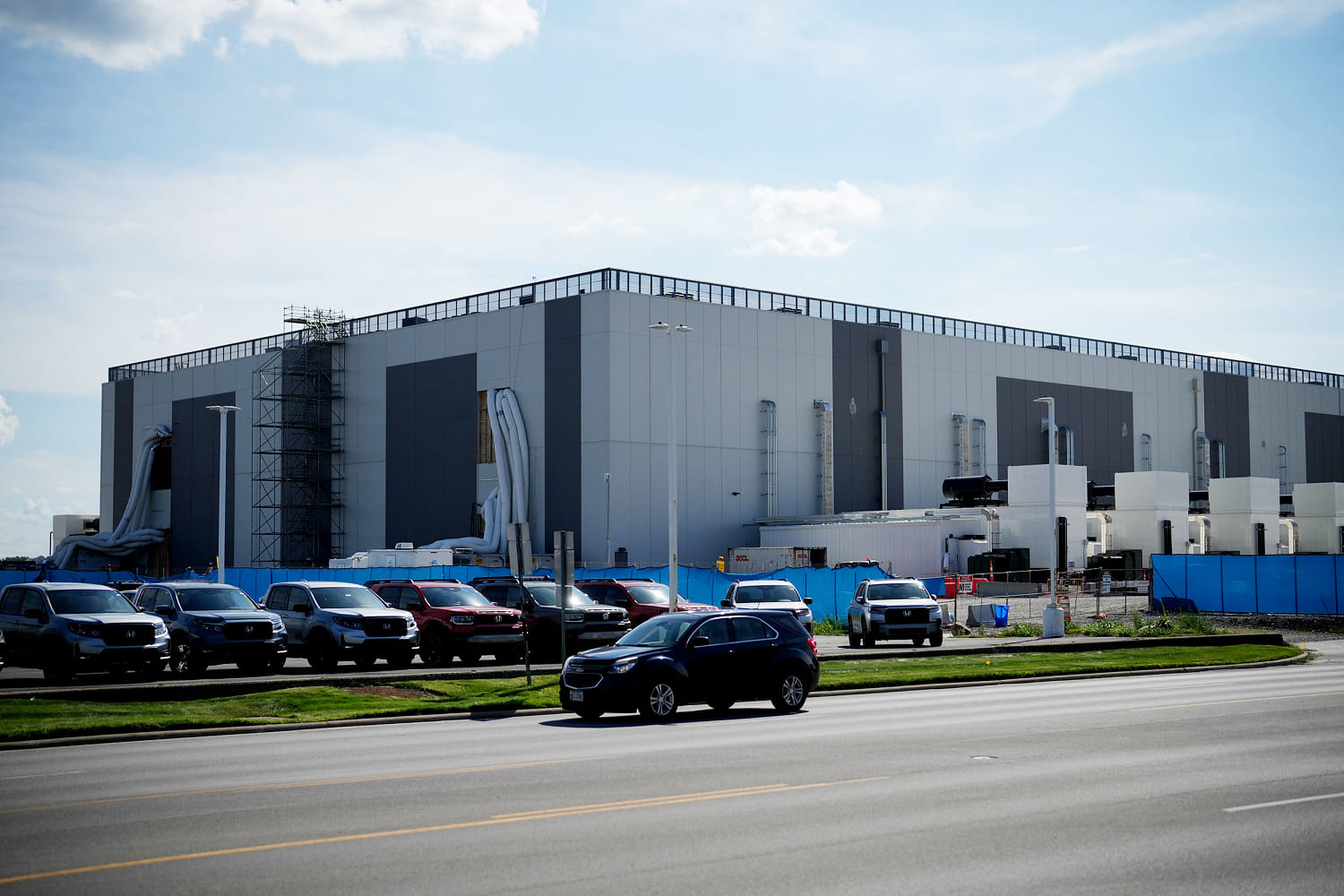

As artificial intelligence expands across the country, so does a backlash against the massive data centers that power it. A new NBC News poll conducted by the Decision Desk with SurveyMonkey reveals that 69% of voters oppose the construction of local AI data centers, with 45% expressing strong opposition. The findings, released ahead of the November midterm elections, highlight a widening rift between public sentiment and the enthusiastic support for data centers voiced by President Donald Trump.
A Rare Cross-Party Consensus
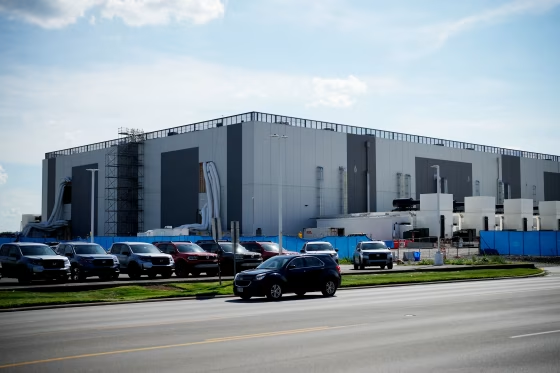
The opposition isn’t confined to one political corner. According to the poll, which surveyed voters from August 20 through September 1, 2026, 81% of Democrats and 71% of independents oppose local data centers. Perhaps more striking for Republicans, a majority—57%—also oppose them, while 43% support them. This cross-party skepticism suggests that data centers have become a rare point of agreement in a polarized landscape.
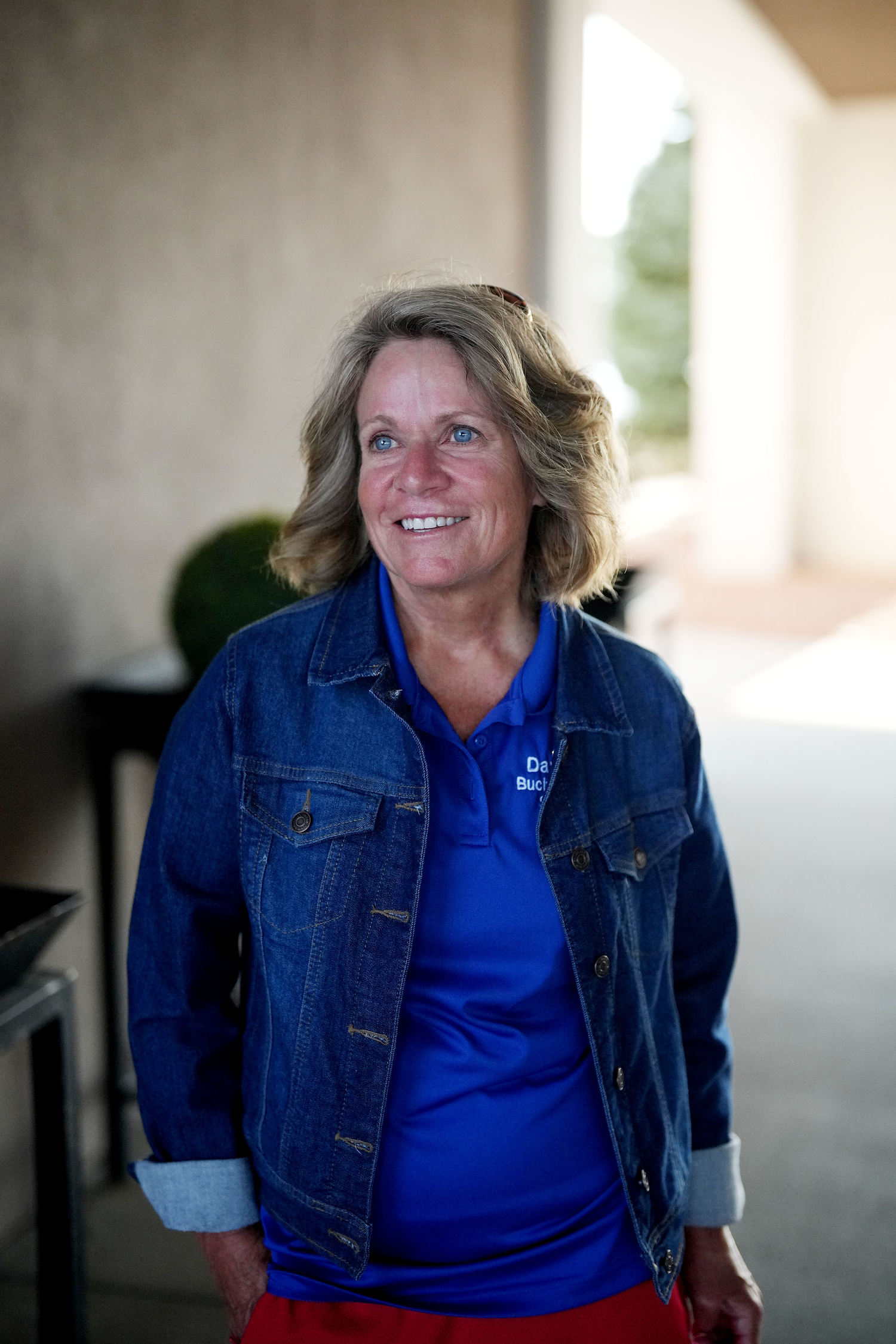
“This is not a partisan issue,” said Dawn Vogel, a Republican county supervisor in Buchanan County, Iowa. “I have not met a single local voter who wants a data center here.” Vogel’s county, which Trump carried 63% to 35% in 2024, voted earlier this year to impose a temporary moratorium on new data centers. She cites land and natural resource use as her primary concerns. “Water availability outweighs data needs,” she said.
Trump's Unwavering Support

President Trump has made his position clear. In late August, he wrote on Truth Social that communities rejecting data centers risk becoming “backwards and poor.” He argued that data centers bring success, lower taxes, and jobs. The post came just before the Iowa State Association of Counties annual conference in Des Moines, where local officials grappled with the growing controversy.
Trump’s stance puts him at odds with a significant portion of his own base. While 43% of Republicans support data centers, the majority opposition signals a potential vulnerability for the president’s party in the upcoming midterms.
Local Resistance and Moratoriums
Across the country, voters are taking action. Along the Interstate 80 corridor from Nebraska to New Jersey, opposition is particularly intense, affecting eight swing House districts and two marquee Senate races. In Buchanan County, Iowa, Vogel’s moratorium reflects a broader desire to pause and study the impact before welcoming developers. “We need to prioritize Buchanan County’s best interest before negotiating with companies,” she said.
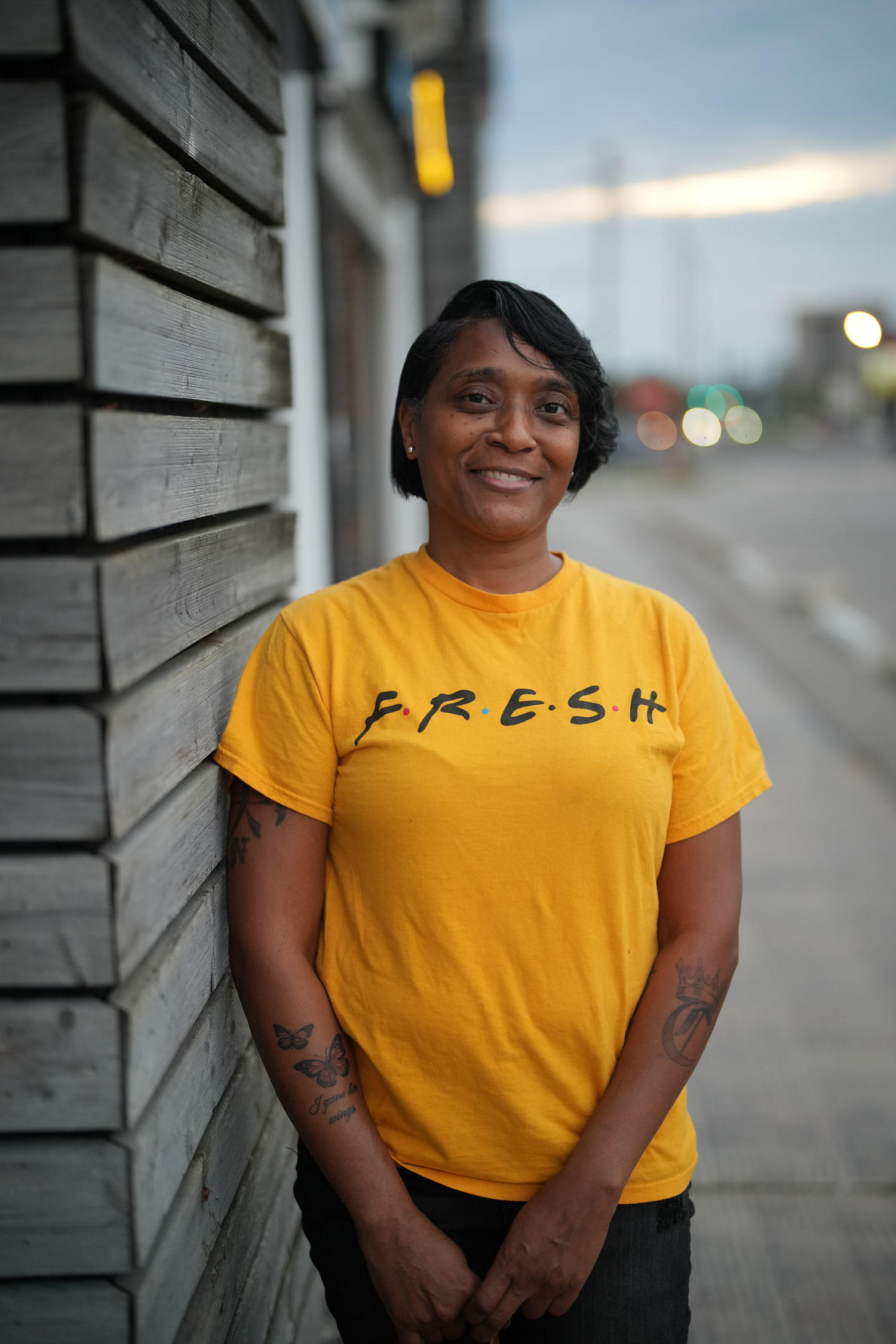
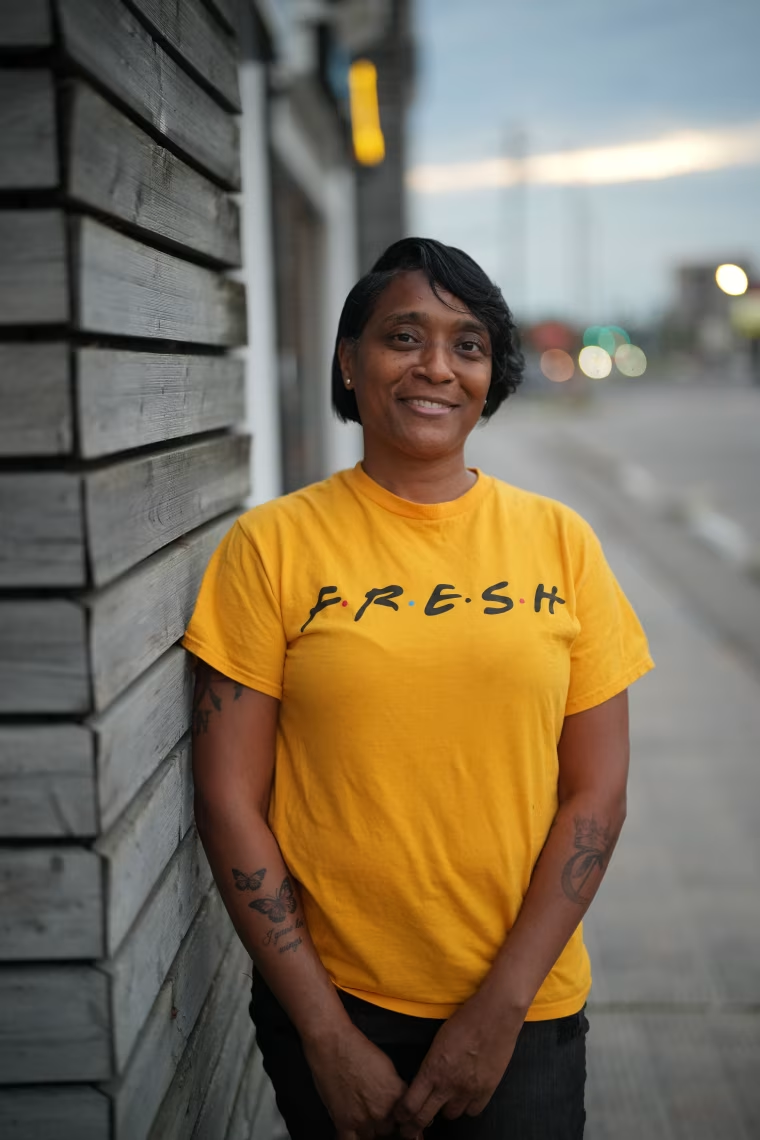
In Ohio, Democratic voter Tamara Clark, 49, who works in healthcare, worries about utility cost increases. “Data centers drive up utility costs for citizens,” she said. “The wealthy should not prosper while others struggle for necessities.” Her concern echoes a common theme: the strain on local infrastructure and household budgets.
Political Figures Take Sides

The data center debate is reshaping political races. In Ohio’s Senate contest, Republican Senator Jon Husted, a former lieutenant governor who once championed data centers, introduced a bill in July 2026 requiring operators to cover electricity and water costs. His shift reflects growing pressure from constituents. Meanwhile, in Pennsylvania, Governor Josh Shapiro signed new data center regulations in August, after previously encouraging the industry.
In Ohio’s House races, 22-term incumbent Marcy Kaptur is using the issue against her Republican rival, Derek Merrin, pointing to his 2017 state legislative vote that extended tax breaks to data center companies. And in Iowa’s 3rd Congressional District, Democratic challenger Sarah Trone Garriott is challenging Republican Representative Zach Nunn, with data centers likely to feature prominently.
On the national stage, Representative Alexandria Ocasio-Cortez of New York and Senator Bernie Sanders of Vermont, both democratic socialists, have proposed a national moratorium on data centers. Their proposal underscores how the issue has energized progressive voices.
Economic Arguments and Worker Perspectives

Supporters, including labor unions, argue that data centers bring high-paying jobs. One data center worker, speaking anonymously due to a media agreement, reported earning up to $5,000 weekly with overtime. He said the job benefits many people and provides work, and that he was warned about water overuse and strange noises but observed none of those issues. He expressed a desire for cooperation between proponents and critics.
But for some voters, the economic benefits are overshadowed by environmental and infrastructure concerns. Jordan Cloe, 47, an electrician from Bondurant, Iowa, worries about water consumption and power grid use at a data center in Altoona. “The data center consumed power grid capacity,” he said. Cloe, who aligns more with Democrats, plans to vote for Trone Garriott despite not knowing her—a sign of how deeply the issue resonates.
What's at Stake in November

With the midterm elections just two months away, data centers have emerged as a surprising litmus test. The NBC News poll suggests that candidates who ignore voter concerns do so at their peril. As Vogel put it, “We want to keep data centers out until questions are resolved.” For now, the clash between Trump’s vision of technological progress and local apprehensions is set to play out at the ballot box.