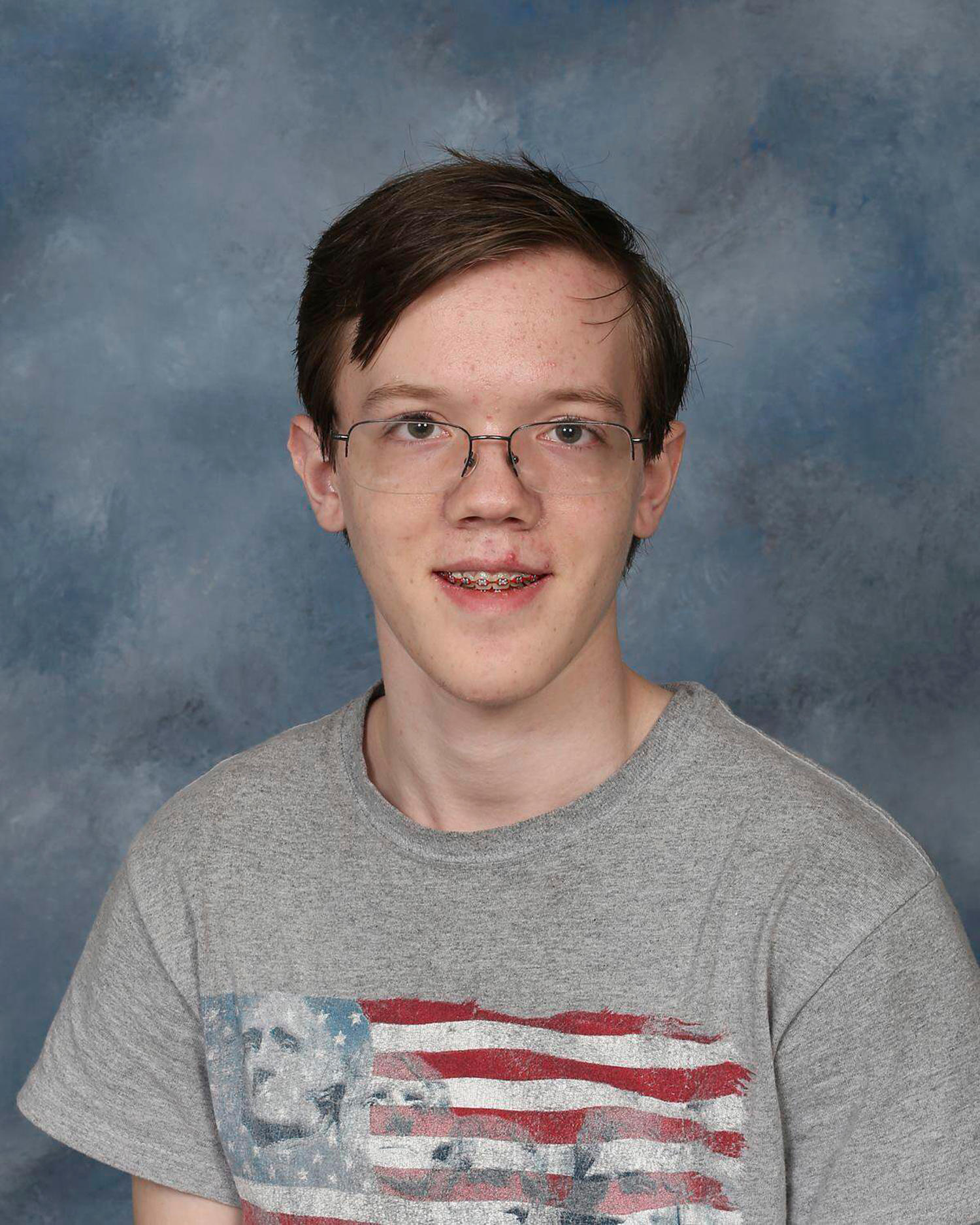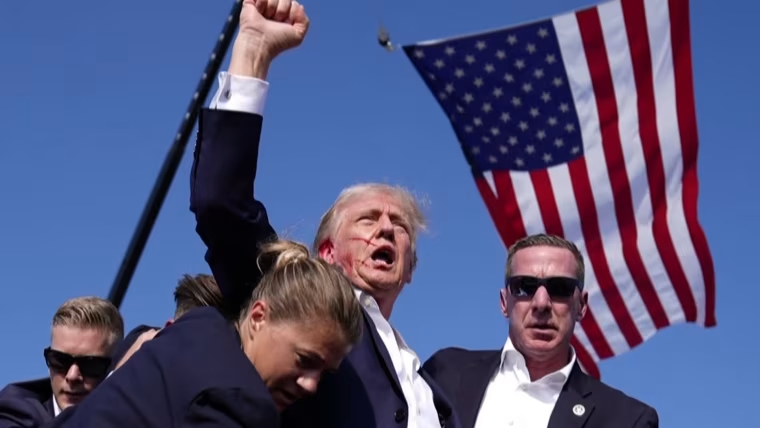

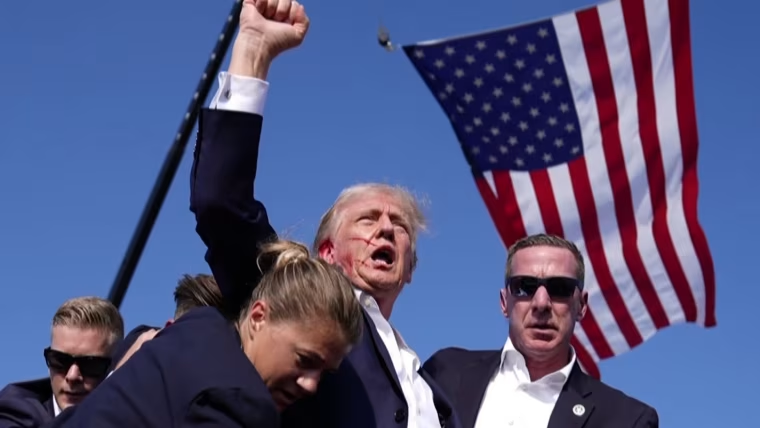
Thomas Matthew Crooks was a young man who kept to himself, rarely showed emotion, and spent hours alone at shooting ranges. On July 13, 2024, that quiet existence ended when he climbed onto a rooftop overlooking a Trump rally in Butler, Pennsylvania, and fired eight shots at the former president. Crooks was killed by Secret Service snipers, but not before one rally attendee died and two others were wounded. Trump was struck in the ear, raised a fist as blood trickled down his face, and was rushed off stage.
Now, newly unclassified FBI documents — roughly 600 pages of interviews and reports — provide the first detailed portrait of the 20-year-old engineering student who nearly changed American history. The documents include conversations with his parents, neighbors, teachers, classmates, and coworkers. They paint a of a loner obsessed with firearms and long-range shooting, a young man who practiced relentlessly but remained an enigma to almost everyone around him.
A Slow, Solitary Path to Violence
Crooks’ interest in guns began during the Covid pandemic, according to his father, Matthew Crooks. At first, the elder Crooks told investigators, his son was a terrible shot. But over five years, his aim improved dramatically. He practiced at the Clairton Sportsmen’s Club in Pennsylvania about once a week, often alone. He also frequented the Keystone Shooting Center near Pittsburgh, where an employee remembered him as an “odd duck.”
The day before the rally, a witness recalled seeing Crooks practicing a 100-yard shot. That same day, July 12, he was last seen at his job at Bethel Park Nursing and Rehab, where he had worked as a dietary aide for about five years. Colleagues described him as odd but sweet and down to earth — someone who did what was asked and never complained. He had requested July 13 off, then volunteered to work July 14. He was scheduled for a morning shift that Sunday.
Crooks purchased firearms and took classes, enrolling in basic and intermediate handgun courses. He ordered gun parts online under the pseudonym “Bob Dole.” His father said Crooks showed no interest in outdoorsmanship — hunting, fishing, or hiking held no appeal. The shooting range was his only outdoor pursuit.
A Quiet Student Who Kept to Himself

At Bethel Park High School, Crooks had no close friends. He was occasionally bullied, though not excessively or chronically, according to the documents. He was described as a history buff who knew all the presidents and enjoyed discussing the New Deal. Classmates said he was shocked by Trump’s 2016 election victory, but he discussed politics nonchalantly and was critical of both parties. He was a registered Republican who donated $15 to the Progressive Turnout Project in 2021.
Investigators noted that Crooks enjoyed being the smartest person in the room. He shut down around large groups or authority figures. He rarely showed emotions, even when arguing. His father said his son kept to himself and was withdrawn.
After high school, Crooks earned an associate degree at the Community College of Allegheny County. Professors there described him as sharp and delightful. He planned to take engineering classes at Robert Morris University. A roommate said Crooks had an inconsistent sleep schedule and would pace in the middle of the night. He was interested in 3D printers and electronics, making small boats and dragon eggs. He built a home security camera using a Raspberry Pi.
He expressed interest in nuclear submarines or aircraft. But his interests were narrow and solitary. He did not join clubs or teams. He did not seek out friendships.
The Rooftop and the Aftermath

On July 13, 2024, Crooks climbed onto a rooftop outside the Butler Farm Show grounds. He waited six minutes into Trump’s speech before firing eight shots from an AR-15-style rifle. Secret Service snipers pinpointed him and killed him on the roof. One attendee was killed and two were injured in the gunfire.
Senator Chuck Grassley, chairman of the Senate Judiciary Committee, said the motivation behind the attack remains unknown. His office showed the documents to the New York Post in person. NBC News requested the documents from Grassley’s office but was not provided with them. NBC News did not independently verify the documents cited by the Post.
The 600 pages of interviews and reports offer no clear motive. They describe a young man who was intelligent, withdrawn, and increasingly isolated. He practiced shooting alone, ordered gun parts under a fake name, and kept his thoughts to himself. He was not a joiner, not a talker, not someone who shared his plans. And then, on a summer afternoon in Pennsylvania, he climbed onto a roof with a rifle and changed everything.
What remains is a portrait of a life that never quite connected — a young man who was smart, odd, sweet, and ultimately unknowable to those around him. The FBI documents do not explain why. They only show what was missed.