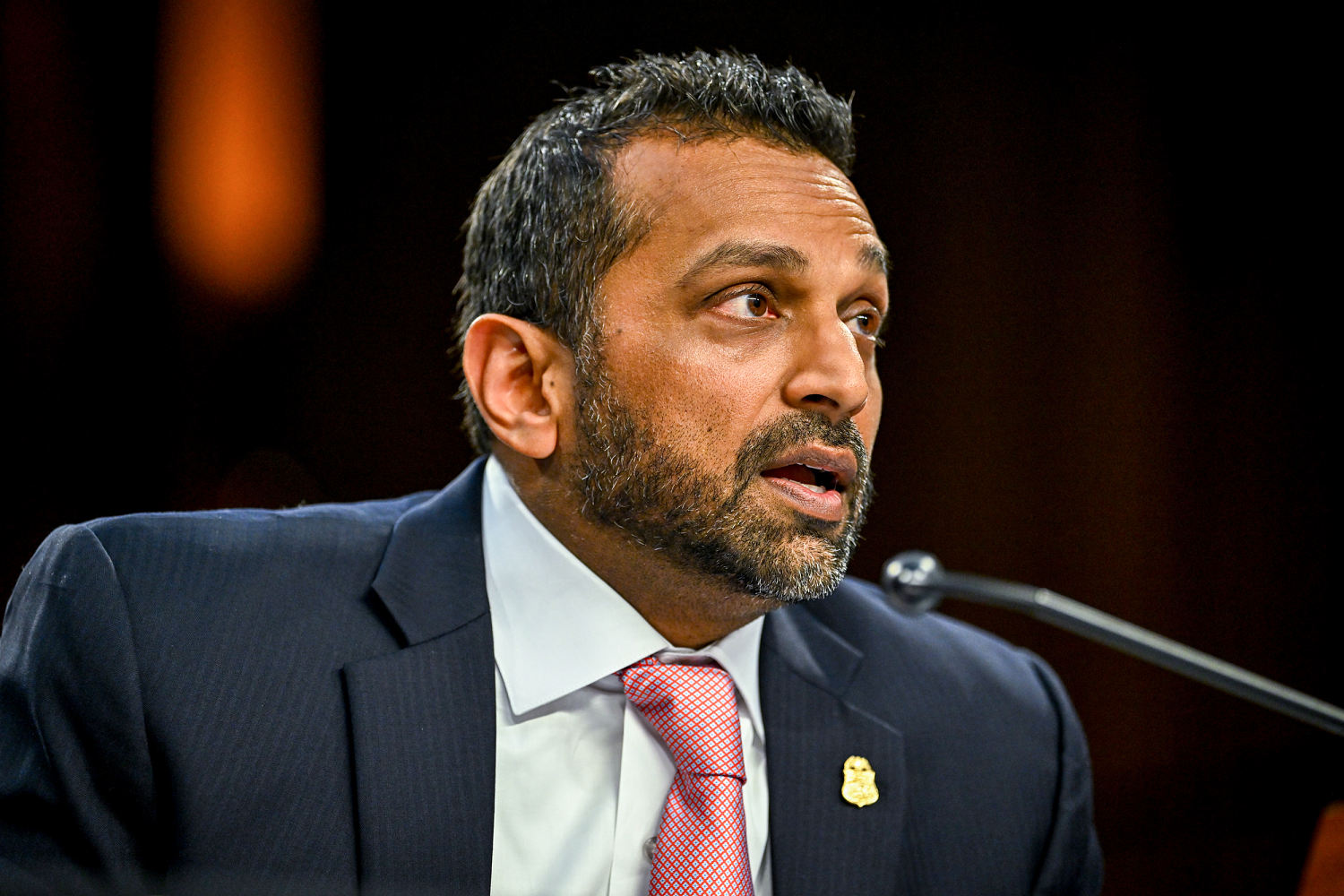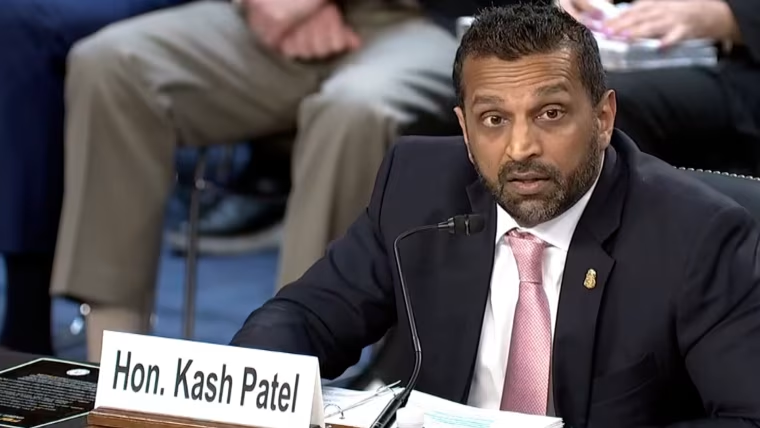

FBI Director Kash Patel appeared before the Senate Judiciary Committee on Tuesday for an oversight hearing that covered a range of contentious issues, but it was an unusual hiring policy change that produced one of the day’s most memorable exchanges.
At the center of the debate: a recent revision to FBI hiring rules that no longer automatically disqualifies applicants who have engaged in bestiality. Patel defended the change, explaining that it was designed to prevent discrimination against victims of sex trafficking who were forced into such acts.
Kennedy Presses Patel on the Policy
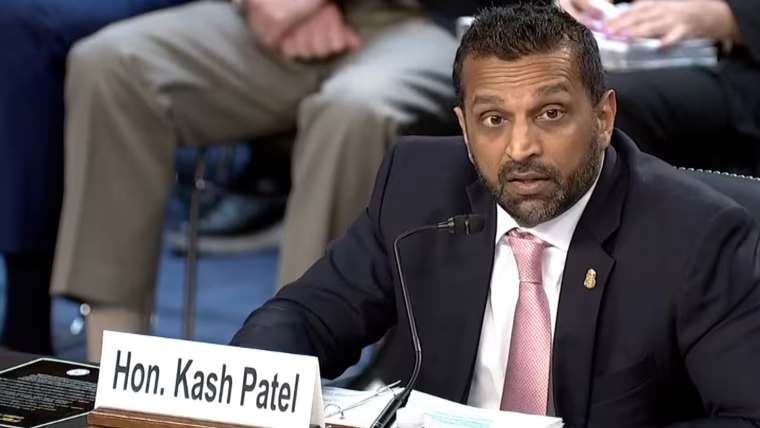
Sen. John Kennedy, R-La., was the first to raise the issue, asking Patel why the FBI would even be discussing bestiality in the context of hiring. Patel responded that the FBI is not involved in bestiality, but that the policy change was necessary to ensure that trafficking victims are not unfairly barred from service.
Kennedy then asked whether voluntary participation in bestiality should disqualify an applicant. Patel said that it would. He drew a clear line: those who voluntarily engaged in such acts would be disqualified, while those who were forced would not be automatically excluded.
Kennedy questioned how bestiality could ever be involuntary. Patel explained that traffickers often force their victims into degrading acts, including bestiality. He said that FBI staff had brought him cases of forced participants who had applied to the bureau.
At one point, Kennedy asked if a person who had sex with an animal could become an FBI agent. Patel said no. Kennedy replied that such a person should be in jail. Patel agreed, saying, “They all are in jail.”
The Louisiana senator also joked about whether the animal should be disqualified, to which Patel responded that the FBI has great canines but would not disqualify them.
Durbin Questions Impact on Recruitment
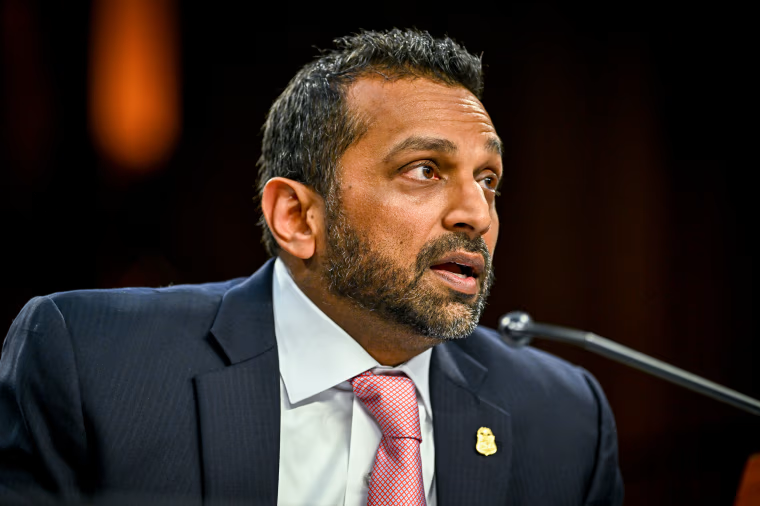
Sen. Dick Durbin, D-Ill., also questioned Patel about the policy, asking whether the old rules had caused the FBI to lose qualified applicants. Patel said that the previous policy disqualified anyone involved in bestiality, regardless of the circumstances. He argued that victims of trafficking should not be criminalized or prevented from serving their country.
Patel said he had removed bureaucratic barriers that blocked consideration of such applicants, emphasizing that the change was about fairness and protecting the vulnerable.
Broader Tensions at the Hearing
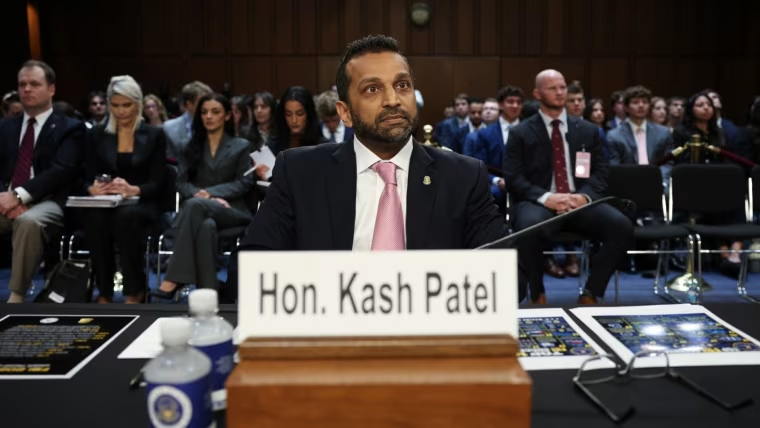
While the bestiality policy drew the most attention, the hearing also featured tense exchanges on other topics. Democrats pressed Patel on his leadership, a lawsuit against a reporter from The Atlantic, and a series of firings and departures at the FBI. Republicans largely praised Patel’s performance.
The hearing underscored the ongoing partisan divide over Patel’s tenure, but for a few minutes, the focus was on an obscure hiring rule that few had previously considered. Patel’s defense of the policy was both technical and emotional, as he described the plight of trafficking victims who had applied to the bureau.
Whether the policy change will satisfy critics remains unclear, but Patel made his position clear: forced participation should not ruin a person’s chance to serve, while voluntary acts remain disqualifying.